
Garaging Address and Multi-Car Insurance Rates
Free to compare
Why Your Garaging Address Controls Every Vehicle's Rate
You added a second car to your policy and the premium jumped more than you expected. The carrier didn't just price the new vehicle—it re-rated both cars using the garaging address on file. That address determines theft risk, accident frequency, weather exposure, and claims history for your ZIP code, and every vehicle on the policy inherits those factors. The garaging address is not your billing address or your registration address. It's the physical location where each car is parked overnight most of the time.
Most households assume the garaging address is a formality. It's the single biggest rating factor carriers use after driver assignment. When you add a vehicle, move to a new home, or park a car at a different location, the carrier re-prices every vehicle on the policy using the new address's risk profile. That's why a move from a suburban ZIP to an urban one can raise your premium even when nothing else changes.
“The garaging address is the single biggest rating factor carriers use after driver assignment, and changing it mid-term re-rates every vehicle on the policy.”

Put Every Car on One Better Policy
Get My Multi-Car Insurance Quote380,801–31,119,113
Registered Vehicles by State
The number of registered motor vehicles varies dramatically by state, from 380,801 to over 31 million. Higher vehicle density correlates with higher theft and accident rates, which carriers factor into garaging-address-based pricing.
NAIC registered motor vehicle data, 2022
How Carriers Assign and Verify Garaging Addresses
Carriers assign one garaging address per vehicle. When you add a car to your policy, the application asks where the vehicle is parked overnight. That address becomes the rating address for that specific car. If all your vehicles park at the same location, they share one garaging address. If a household member parks a car at a different address—a college student's dorm, a work parking lot, a second home—that vehicle gets its own garaging address, and the carrier prices it separately.
Carriers verify garaging addresses at renewal and after claims. They cross-reference your stated address against registration records, claim locations, and telematics data if you use a tracking device. If a claim happens 50 miles from your garaging address at 2 a.m., the carrier investigates. Misrepresenting a garaging address to get a lower rate is material misrepresentation, and carriers can deny claims or cancel the policy when they discover it.
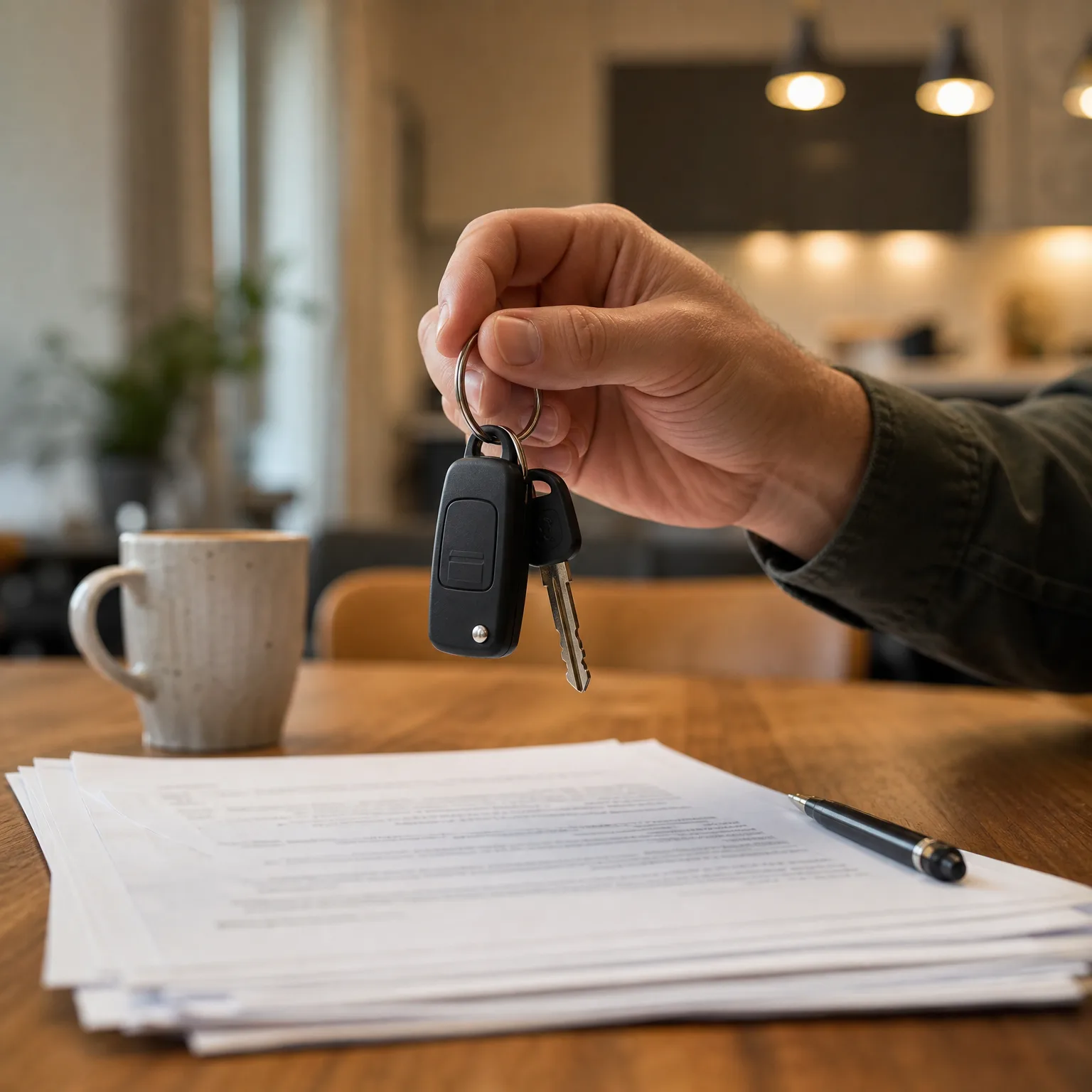
The multi-car discount requires all vehicles to be garaged at the same address at most carriers. If you park cars at different locations, some carriers will not apply the discount at all. Others apply it only to vehicles sharing the primary address. This structural rule is why college students taking a car to campus often lose the family policy's multi-car discount—the vehicle's garaging address changed, and the carrier treats it as a separate risk.

Parking one vehicle at a different address can disqualify the entire policy from the multi-car discount, even when the other cars remain at the primary location.





Garaging Address Rules for Households with Multiple Locations
Households that own a second home, park a work vehicle at a job site, or have a college student living away from home face garaging address decisions most single-location families never encounter. Each vehicle must have one primary garaging address—the location where it's parked overnight more than 50 percent of the time. Carriers do not average locations. If a car splits time between two addresses, you choose the one where it spends the majority of nights, and the carrier prices the vehicle using that address's risk profile.
Some carriers will not insure vehicles garaged at different addresses on the same policy. They require you to split the vehicles across separate policies, which eliminates the multi-car discount entirely. Other carriers allow multiple garaging addresses but price each vehicle independently and apply the multi-car discount only to vehicles sharing the primary address. The structural rule varies by carrier, and most households don't discover it until they try to add a vehicle at a second location.
A college student taking a car to campus must update the garaging address to the school's ZIP code if the car stays there more than half the year. Carriers price that vehicle using the campus location's risk factors, which are often higher than the family home's suburban ZIP. The student remains on the family policy as a listed driver, but the car itself is rated separately. If the campus is in a different state, some carriers require a separate policy in that state, which breaks the multi-car structure entirely.
64.9–797.4
Vehicle Thefts per 100,000 Population
Motor vehicle theft rates vary by more than 10x across states, from 64.9 to 797.4 thefts per 100,000 residents. Your garaging address's theft rate is one of the largest rating factors carriers use, and moving between high- and low-theft ZIPs changes every vehicle's premium.
FBI Uniform Crime Reporting, 2024

How Garaging Address Interacts with Driver Assignment
Carriers price each vehicle by combining its garaging address with its primary driver's rating factors. A car garaged in a high-risk ZIP and assigned to a young driver gets the highest rate. The same car garaged in a low-risk ZIP and assigned to an experienced driver gets the lowest. When you change the garaging address, the carrier re-calculates the rate using the new address and the existing driver assignment. If you also change the driver assignment at the same time, both factors compound, and the premium change can be larger than either factor alone would produce.
Households often assume they can lower a vehicle's rate by changing its garaging address without changing the driver. Carriers require the garaging address to reflect where the car actually parks, not where you wish it parked. Listing a low-risk address when the car is actually garaged elsewhere is fraud. Carriers investigate garaging addresses after claims, and they deny coverage when the stated address doesn't match the claim location or the vehicle's regular parking pattern.
Compare Carriers That Price Garaging Address Transparently
Not all carriers handle garaging address the same way. Some allow multiple addresses on one policy and apply the multi-car discount across all vehicles. Others require every vehicle to share one garaging address to qualify for the discount. A few carriers will not insure vehicles garaged in certain high-risk ZIP codes at all, regardless of the driver's record. When you're adding a vehicle or moving to a new address, the carrier's garaging-address rules determine whether you keep the multi-car discount or lose it entirely.
Compare carriers that write policies in your state and ask specifically how they handle multiple garaging addresses. The difference in premium between a carrier that prices each address separately and one that averages risk across the policy can be significant for households with cars in different locations. Use the comparison tool to see which carriers offer the structure that fits your household's actual parking situation.
What Happens When You Change Your Garaging Address Mid-Term
When you notify the carrier of an address change, it re-rates every vehicle on the policy using the new ZIP code's theft rate, accident frequency, weather risk, and claims density. If the new address is in a higher-risk area, your premium rises immediately and you owe the difference for the remaining months of the term. If the new address is lower-risk, the carrier issues a prorated refund. Most households don't realize the change applies retroactively to the date you moved, not the date you reported it.
Failing to report a garaging address change within the policy's notification window—typically 30 days—can void coverage. If you move in January, don't update the policy, and file a claim in March, the carrier can deny the claim because the vehicle was garaged at an unreported address. The notification window is a policy condition, and missing it breaks the contract. Carriers enforce this strictly when the address change would have raised the premium.
Get Your Free Quote
Get My Multi-Car Insurance QuoteFrequently Asked Questions
Can I use my billing address as my garaging address?
No. The garaging address must be the physical location where the vehicle is parked overnight most of the time. Your billing address is where the carrier sends statements. If they differ, you must report the actual garaging address. Using the wrong address to lower your rate is material misrepresentation, and carriers deny claims when they discover it.
What happens if I move and don't update my garaging address?
The carrier can deny claims filed after the move if you didn't report the address change within the policy's notification window, typically 30 days. The garaging address determines your rate, and failing to update it voids coverage because the carrier priced the policy using incorrect risk factors.
Does every car on my policy need the same garaging address?
Most carriers require all vehicles to share one garaging address to qualify for the multi-car discount. If you park cars at different locations, some carriers price each vehicle separately and remove the discount. Others will not insure vehicles garaged at different addresses on the same policy at all.
How do carriers verify my garaging address?
Carriers cross-reference your stated garaging address against registration records, claim locations, and telematics data. They investigate when a claim happens far from your garaging address or when your vehicle's regular location doesn't match the address on file. Verification happens at renewal and after every claim.
Can I change my garaging address mid-term?
Yes. Notify your carrier within the policy's notification window, typically 30 days. The carrier re-rates every vehicle on the policy using the new address's risk profile and adjusts your premium for the remaining term. The change applies retroactively to the date you moved, not the date you reported it.
What if my college student takes a car to campus?
Update the garaging address to the campus ZIP code if the car stays there more than half the year. The carrier prices that vehicle using the campus location's risk factors. The student remains on your policy, but the car is rated separately. If the campus is in a different state, some carriers require a separate policy.