
Garaging Address vs Mailing Address — Multi-Car Policies
Free to compare
When Your Car Parks Somewhere Other Than Your Billing Address
You're adding a second vehicle to your policy and the carrier asked where the car is garaged. You gave your home address, but the car actually parks at your office lot overnight, or at a family member's house across town, or in a different ZIP code where you rent a garage. The carrier flagged the discrepancy and now your multi-car discount is on hold.
Most households assume the garaging address is the same as the mailing address on file. It's not. Carriers price each vehicle by the address where it's parked overnight most of the time, because that location determines theft risk, collision frequency, and state rating territory. When the garaging address differs from the mailing address, the carrier re-rates that vehicle using the garaging location's risk profile. If the two addresses fall in different rating territories, the premium can jump. If the garaging addresses for your vehicles don't match, the multi-car discount may not apply at all.
“The multi-car discount requires every vehicle to share the same garaging address; a car parked elsewhere may be added but priced without the discount.”

Put Every Car on One Better Policy
Get My Multi-Car Insurance Quote34 carriers
National Multi-Car Roster
Thirty-four carriers write multi-vehicle policies nationwide, and most require every vehicle on the policy to share the same garaging address to qualify for the multi-car discount. A vehicle garaged elsewhere may be added to the policy but priced separately.
Garaging Address Determines Rating Territory and Premium
The garaging address is the location where the vehicle is parked overnight most nights of the year. Carriers use this address to assign a rating territory, which sets base rates for that vehicle. Rating territories reflect local theft rates, collision frequency, weather patterns, and claims history. A car garaged in a high-theft urban ZIP code costs more to insure than the same car garaged in a low-theft suburban area, even if both addresses are in the same city.
The mailing address is where the carrier sends bills, policy documents, and correspondence. It has no effect on premium. You can have a mailing address in one state and a garaging address in another, but the vehicle is rated and titled according to the garaging state's rules. When you add a second vehicle, the carrier asks for both addresses separately. If you provide only one, the carrier assumes they match. If they don't, and the carrier discovers the mismatch later, the policy can be re-rated retroactively or the multi-car discount removed.
Most carriers allow different mailing and garaging addresses without penalty, as long as both are disclosed accurately. The problem arises when the garaging addresses for multiple vehicles on the same policy don't match. The multi-car discount typically requires every vehicle to be garaged at the same location. If one car is garaged at your home and another at a college campus three states away, the carrier may refuse to apply the discount or require the second vehicle to be placed on a separate policy.

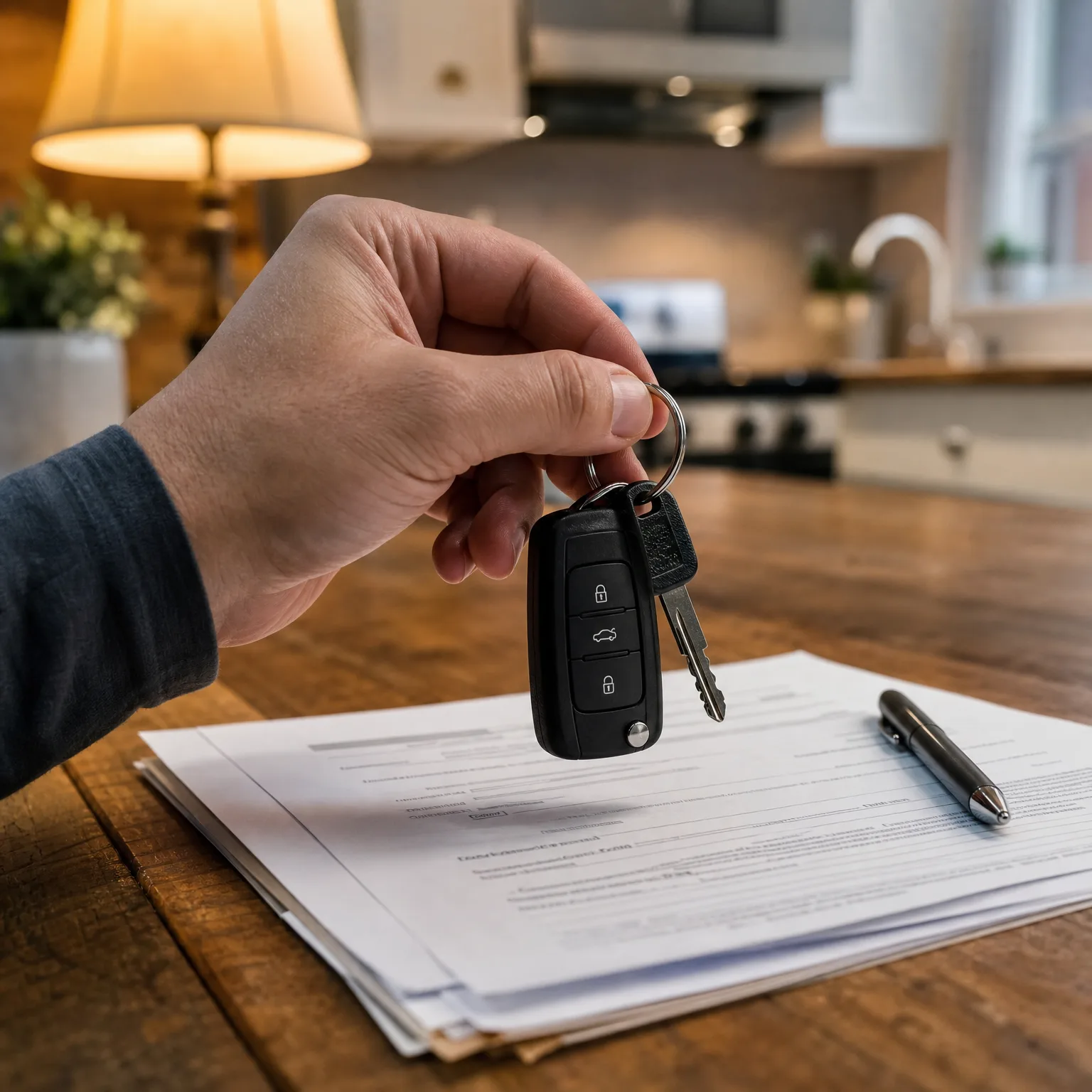
The multi-car discount requires every vehicle on the policy to share the same garaging address. A vehicle parked elsewhere may be added to the policy but priced without the discount.


When Different Garaging Addresses Are Legitimate
Some households legitimately garage vehicles at different addresses. A college student takes a car to campus in another state. A work vehicle is parked at a job site or company lot. A classic car is stored in a rented garage across town. A second home has a car that stays there year-round. These situations are insurable, but the carrier must be told upfront.
When you add a vehicle garaged at a different address, the carrier prices that vehicle using the garaging location's rating territory. The multi-car discount may still apply if the carrier allows it, but many carriers require the primary garaging address to match for all vehicles. If the carrier won't extend the discount, you have two options: move the vehicle to the primary garaging address, or place it on a separate policy. A separate policy costs more in most cases, but it's the only way to insure a vehicle garaged elsewhere without misrepresenting the address.
A few carriers allow the multi-car discount when vehicles are garaged at different addresses within the same household, as long as all drivers and vehicles are disclosed. Progressive, Geico, and State Farm have been reported to extend the discount in these cases, but each carrier's underwriting rules vary by state. Call the carrier before adding the vehicle and ask whether the discount applies when garaging addresses differ. If the carrier says no, ask whether the vehicle can be added to the policy at all, or whether a separate policy is required.
$15,000/$30,000/$5,000 – $50,000/$100,000/$50,000
State Minimum Liability Range
State minimum liability limits range from $15,000 per person, $30,000 per accident, and $5,000 property damage in some states to $50,000/$100,000/$50,000 in others. Every vehicle on your policy must meet the minimums for the state where it's garaged, not where you live.
State Registration and Garaging Address Rules
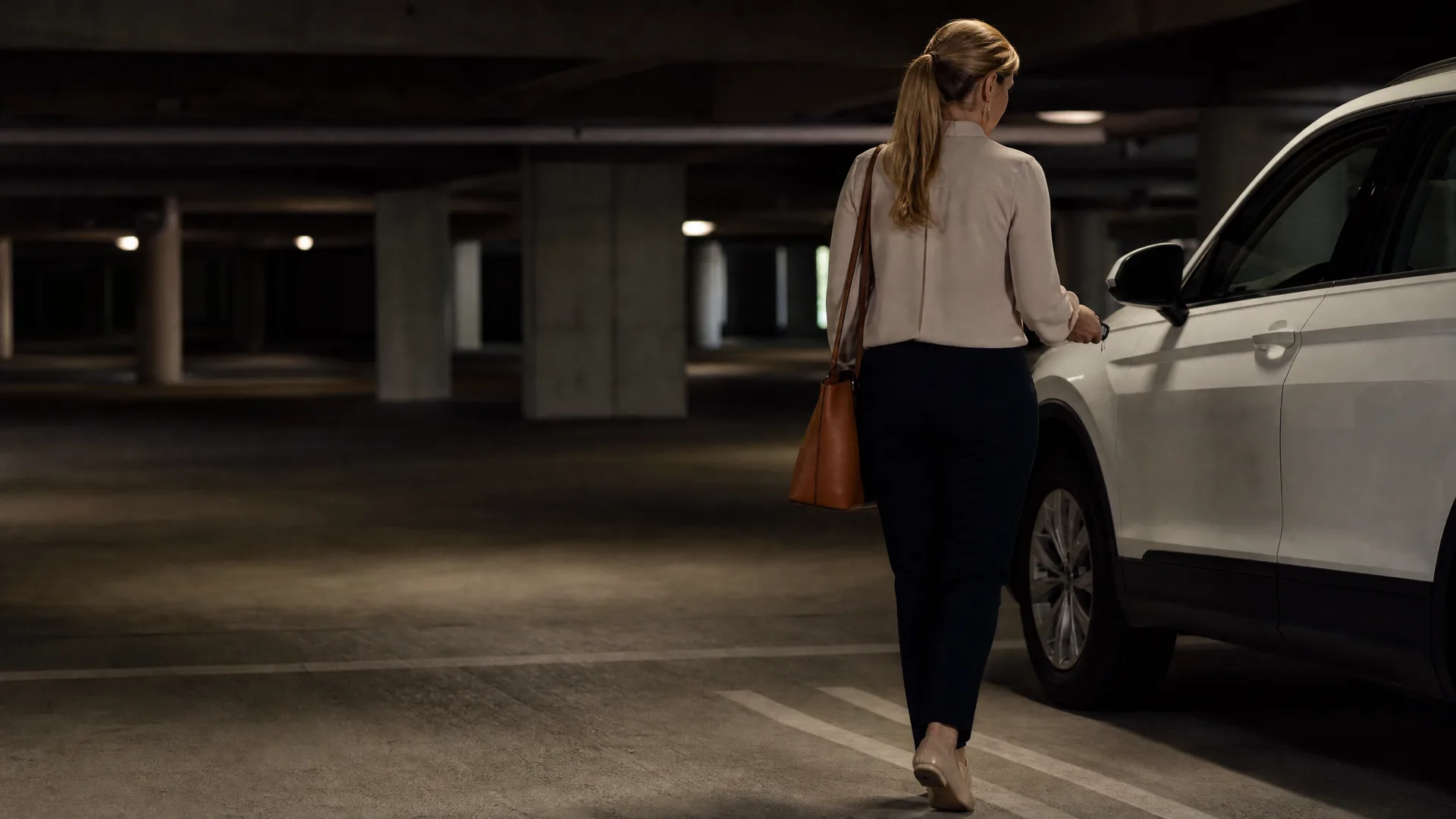
Every state requires a vehicle to be registered in the state where it's principally garaged. If you live in Ohio but your second car is garaged in Michigan, the Michigan-garaged car must be registered in Michigan, titled in Michigan, and insured under Michigan's minimum liability limits. You cannot register a vehicle in one state and garage it in another for more than a temporary period, typically 30 to 90 days depending on the state.
When you add a vehicle garaged in a different state, the carrier writes the policy under that state's rules. If your primary policy is in Ohio and the second vehicle is garaged in Michigan, the carrier issues an Ohio policy for the Ohio-garaged vehicles and a Michigan policy for the Michigan-garaged vehicle. Some carriers allow both policies to sit under one account with a multi-policy discount, but the multi-car discount applies only to vehicles on the same state policy. Vehicles on separate state policies cannot share a multi-car discount, even if they're owned by the same household.
What Happens When You Don't Disclose the Garaging Address
If you add a second vehicle and provide your mailing address as the garaging address when the car is actually parked elsewhere, the carrier prices the vehicle incorrectly. When the carrier discovers the mismatch, the policy is re-rated using the correct garaging address. If the correct address falls in a higher-risk rating territory, your premium increases retroactively. The carrier bills you for the difference, and if you don't pay, the policy can be canceled for non-payment.
If the mismatch is discovered after a claim, the consequences are worse. The carrier investigates where the vehicle was actually garaged and compares it to the address on file. If they don't match, the carrier can deny the claim, rescind the policy, or reduce the payout to reflect the premium you should have paid. The multi-car discount is removed, and you may be flagged as a high-risk applicant when you apply for coverage elsewhere. Some states allow carriers to report material misrepresentation to a central database, which other carriers check during underwriting.

Compare Carriers That Write Multiple Garaging Addresses
If your household garages vehicles at different addresses and you want them on one policy with a multi-car discount, compare carriers that allow it. Not all do. Start by calling the carriers you're already considering and asking whether the multi-car discount applies when garaging addresses differ. If the answer is no, ask whether the vehicles can be added to the policy at separate rates, or whether a separate policy is required. If a separate policy is required, compare the combined cost of two policies against the cost of one policy with the discount at a carrier that allows different garaging addresses. The difference is often smaller than expected, and the second option avoids the risk of a claim denial for address mismatch.
How Carriers Verify Garaging Addresses
At application, the carrier asks where each vehicle is garaged and cross-references the address against your driver's license, vehicle registration, and any prior policies. If the addresses don't align, the underwriter flags the application and requests documentation: a lease agreement, utility bill, or registration showing the actual garaging location. Some carriers use telematics or GPS data to verify where the vehicle is parked overnight. If the data shows the car is consistently parked at an address other than the one on file, the carrier can re-rate the policy or cancel coverage.
After a claim, the carrier investigates whether the vehicle was garaged at the address on file. If the car was stolen from a location other than the declared garaging address, the carrier may deny the claim or reduce the payout. If the investigation reveals a pattern of parking at an undisclosed address, the carrier can rescind the policy retroactively and refund premiums minus any claims paid. The multi-car discount is removed, and the household is re-rated as if each vehicle had been on a separate policy from the start.
Get Your Free Quote
Get My Multi-Car Insurance QuoteFrequently Asked Questions
Can my garaging address be different from my mailing address on my auto policy?
Yes. The garaging address is where the vehicle is parked overnight most nights, and the mailing address is where the carrier sends documents. Carriers allow them to differ as long as both are disclosed accurately. The garaging address determines your premium; the mailing address does not.
Does the multi-car discount apply if my vehicles are garaged at different addresses?
Most carriers require every vehicle on the policy to share the same garaging address to qualify for the multi-car discount. If one vehicle is garaged elsewhere, it may be added to the policy but priced without the discount. A few carriers allow the discount when garaging addresses differ within the same household; call and ask before adding the vehicle.
What happens if I give the wrong garaging address to my insurance carrier?
The carrier re-rates your policy using the correct garaging address when the mismatch is discovered. If the correct address falls in a higher-risk rating territory, your premium increases retroactively. If the mismatch is discovered after a claim, the carrier can deny the claim, rescind the policy, or remove the multi-car discount.
Can I insure a car garaged in one state on a policy issued in another state?
No. A vehicle must be insured under the rules of the state where it's principally garaged. If you live in Ohio and your second car is garaged in Michigan, the Michigan car must be on a Michigan policy. Some carriers issue both policies under one account, but the multi-car discount applies only to vehicles on the same state policy.
How do carriers verify where my car is actually garaged?
Carriers verify garaging addresses at application, renewal, and after a claim by cross-referencing your driver's license, vehicle registration, and prior policies. Some use telematics or GPS data to confirm where the vehicle is parked overnight. If the data shows consistent parking at an undisclosed address, the carrier can re-rate or cancel the policy.
Do I need to update my garaging address if I move my car to a different location?
Yes. You must notify your carrier within the timeframe specified in your policy, typically 30 days. The carrier re-rates the vehicle using the new garaging address's rating territory. If the new address falls in a higher-risk area, your premium increases. If you don't update the address and file a claim, the carrier can deny it.