Garaging Address Rules for Multi-Car Policies
Free to compare
When the Second Car Parks Somewhere Else
You bought a second vehicle. You added it to your existing auto policy to capture the multi-car discount. Then the carrier asked where the car is garaged — and when you gave an address different from the first vehicle, the discount disappeared. The policy still covers both cars, but the savings you expected vanished because the vehicles don't share a garaging location.
The garaging address is the location where a vehicle is parked overnight most of the time. Carriers use it to price risk: theft rates, weather exposure, traffic density, and claim frequency all vary by ZIP code. When two vehicles on the same policy report different garaging addresses, most carriers treat them as separate risk pools and apply the multi-car discount only to vehicles garaged at the same location — or deny it entirely.
“Carriers cross-check garaging addresses against claim location data, and misreporting voids coverage at claim time.”

Put Every Car on One Better Policy
Get My Multi-Car Insurance Quote21 carriers
National Multi-Car Carriers
Twenty-one carriers in the national roster write multi-car policies, but garaging-address rules vary by carrier. Some allow split locations with reduced discounts; others require same-address garaging to qualify at all.
Why Carriers Tie the Discount to Location
The multi-car discount exists because insuring multiple vehicles under one policy reduces administrative cost per vehicle. But the discount also assumes the vehicles share similar risk exposure. When one car is garaged in a low-theft suburban ZIP and another in a high-density urban area with different claim patterns, the carrier prices each vehicle separately even though they sit on the same policy.
Carriers define garaging address as the location where the vehicle is parked when not in use — typically overnight. This is not the policyholder's mailing address or the address on the vehicle title. A car titled to you but parked at your adult child's apartment across town is garaged at the apartment, not your home. The garaging address determines the rating territory, and rating territory drives the base premium before any discount applies.
When garaging addresses differ, the carrier applies the multi-car discount only to vehicles in the same territory, or it applies a smaller discount to the split-location vehicles than it would to same-address cars. Some carriers deny the discount entirely when addresses don't match. The policy structure — one policy covering both vehicles — stays intact, but the pricing benefit disappears.
Most carriers require every vehicle on the policy to share the same garaging address to qualify for the full multi-car discount.
Related Articles




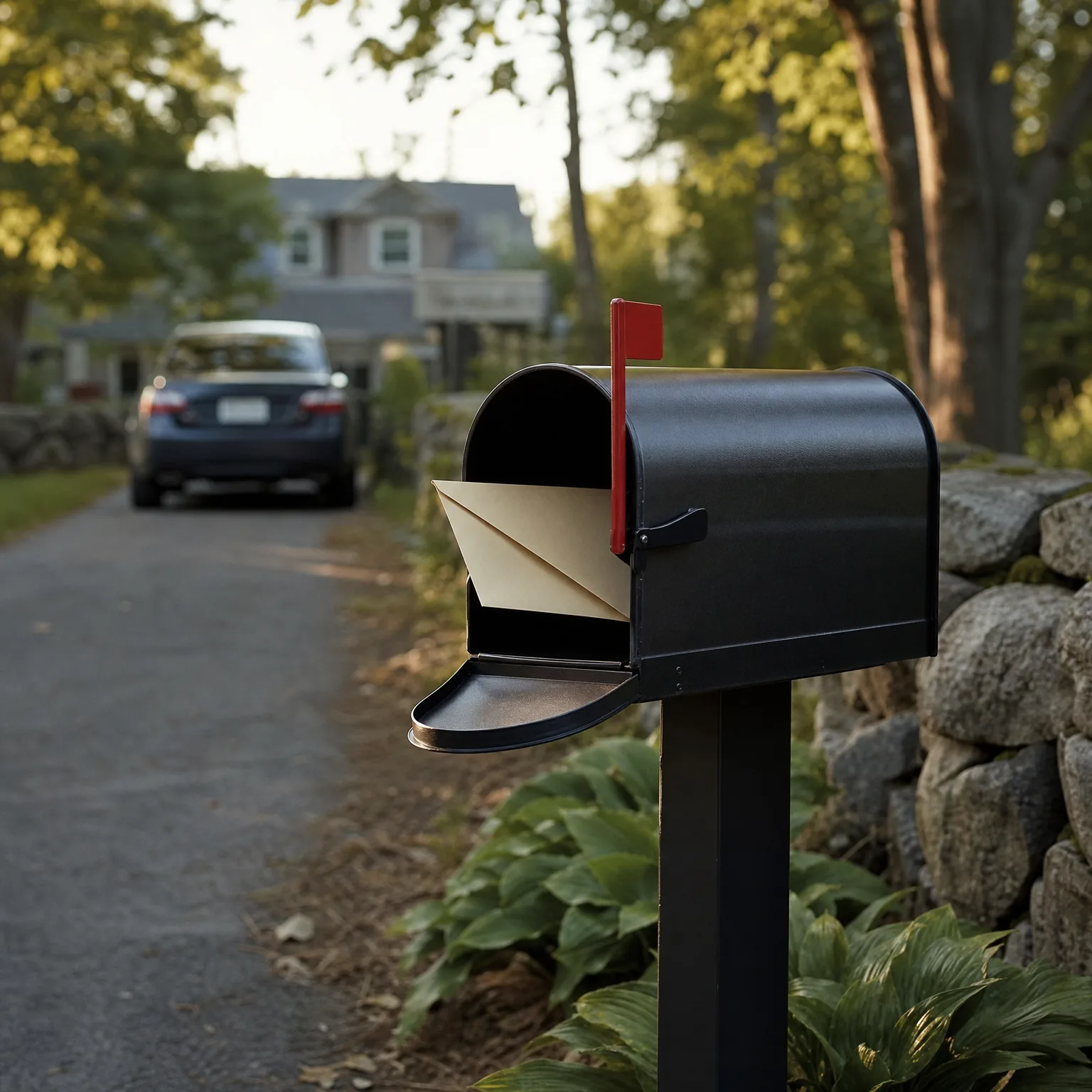
How Split Garaging Affects the Discount
When two vehicles on the same policy report different garaging addresses, the carrier applies one of three pricing models. The first: it applies the multi-car discount only to vehicles garaged at the same address. If you have three cars — two at your home and one at your adult child's apartment — the two at your home get the discount and the third does not. The second: it applies a reduced multi-car discount to all vehicles when addresses don't match, typically half the percentage it would apply to same-address vehicles. The third: it denies the multi-car discount entirely and prices each vehicle as if it were on a separate policy.
Which model the carrier uses depends on its underwriting rules. Some carriers allow split garaging with disclosure and adjust the discount accordingly. Others require same-address garaging as a qualification threshold and will not write a multi-car policy at all when addresses differ. A few carriers allow one exception — a college student's vehicle garaged at school — and deny the discount for all other split-location scenarios.
The pricing impact compounds when the two garaging addresses fall into different rating territories. Losing the multi-car discount on top of that base-premium difference often makes the split-location structure more expensive than writing two separate single-car policies, each priced for its own territory.
64.9–797.4
Vehicle Theft Rate Range per 100k
Motor vehicle theft rates vary from 64.9 to 797.4 per 100,000 population across states. Garaging address determines which rate applies to each vehicle, and carriers price accordingly.
FBI Uniform Crime Reporting Program, 2024
When Split Garaging Is Unavoidable
Households with vehicles garaged at different addresses have three options. The first: keep both vehicles on one policy, report both garaging addresses accurately, and accept the reduced or eliminated multi-car discount. The second: write separate single-car policies for each vehicle, each priced for its own garaging location. The third: move one vehicle to the other address if logistically possible, so both cars qualify for same-address garaging and the full discount applies.
The second option — separate policies — often costs less than a split-address multi-car policy when the garaging locations fall into different rating territories. Compare the total premium for two single-car policies against the total premium for one multi-car policy with split garaging. If the rating-territory difference is large, the single-car policies may come in lower even without a multi-car discount, because each vehicle is priced for its actual risk pool rather than averaged across two territories.
Compare Carriers and Report Accurately
Carriers apply garaging-address rules differently. Some deny the multi-car discount outright when addresses don't match. Others reduce it but still apply a partial discount. A few allow one college-student exception. When you're adding a vehicle garaged at a different address, quote with multiple carriers and disclose both garaging locations up front. The carrier that offers the lowest combined premium for your specific split-location structure is not always the carrier with the largest advertised multi-car discount.
Report each vehicle's actual overnight parking location. Misreporting a garaging address to preserve a discount creates claim-denial risk that outweighs any premium savings. Carriers verify garaging addresses at claim time, and a mismatch between the reported address and the claim location can void coverage entirely. Honest disclosure at quote time ensures the policy you buy is the policy that pays when you file a claim.
What Counts as the Garaging Address
The garaging address is the physical location where the vehicle is parked overnight most nights of the year. If you own a car but your college-age child drives it and parks it at their off-campus apartment nine months of the year, the apartment is the garaging address — not your home. If a household member keeps a vehicle at a second property, that property is the garaging address for that vehicle. Seasonal variation matters: a car garaged at a vacation home four months of the year and your primary residence eight months is garaged at the primary residence.
Carriers cross-check garaging addresses against claim location data. A vehicle reported as garaged in a low-cost rural ZIP but involved in multiple claims filed from an urban address will trigger an underwriting review. If the carrier determines the garaging address was misreported, it can deny the claim, rescind the policy, or re-rate the vehicle retroactively to the correct territory and bill the difference. Honest reporting at quote time avoids these outcomes.
Get Your Free Quote
Get My Multi-Car Insurance QuoteFrequently Asked Questions
Does the multi-car discount apply if my two cars are garaged at different addresses?
Most carriers require both vehicles to share the same garaging address to qualify for the full multi-car discount. When garaging addresses differ, carriers typically apply a reduced discount, apply it only to same-address vehicles, or deny it entirely. Rules vary by carrier.
What is a garaging address for auto insurance?
The garaging address is the physical location where a vehicle is parked overnight most nights of the year. It determines the rating territory the carrier uses to price the vehicle. This is not the same as the policyholder's mailing address or the address on the vehicle title.
Can I keep two cars on one policy if they are garaged at different locations?
Yes. Carriers will write one policy covering vehicles garaged at different addresses, but the multi-car discount may not apply or may be reduced. Some carriers deny the discount entirely when garaging addresses don't match; others allow it with adjustment.
What happens if I report the wrong garaging address to save money on my premium?
Misreporting a garaging address can void coverage at claim time. Carriers verify garaging addresses against claim location data, and a mismatch can result in claim denial, policy rescission, or retroactive re-rating with a bill for the premium difference.
Is it cheaper to insure two cars on one policy or two separate policies when they are garaged at different addresses?
It depends on the rating-territory difference and the carrier's split-address discount rules. When garaging locations fall into different rating territories, two separate single-car policies often cost less than one multi-car policy with a reduced or eliminated discount. Compare both structures.
Does a college student's car garaged at school qualify for the multi-car discount?
Some carriers allow one college-student exception and apply the multi-car discount even when the student's vehicle is garaged at school. Others treat it as a split-address scenario and reduce or deny the discount. Rules vary by carrier.