
Insuring a Car at Your Second Home
Free to compare
When the Car Lives Somewhere Else
You own a car that stays at your second home full-time. It's titled in your name, you own both properties, but the vehicle never moves between them. Your primary-residence carrier asks for the garaging address, and you realize the car sits 200 miles away in a different county—or a different state. The question is whether that car belongs on your existing multi-car policy or requires its own.
The structural reality: carriers price auto insurance by where the car is garaged, not where you live. A vehicle permanently kept at a second address sits in a different risk pool—different theft rates, different accident frequency, sometimes different state minimum liability requirements. That address difference determines which policy can cover it, whether the multi-car discount applies, and what premium you pay.
“Carriers price by where the car is garaged, not where you live—a vehicle at your second home sits in a different risk pool.”

Put Every Car on One Better Policy
Get My Multi-Car Insurance Quote$15,000–$50,000
State Minimum Bodily Injury Per Person
State minimum liability limits vary widely across the country. A car garaged in a different state may face higher or lower minimums than your primary residence, which changes the base coverage requirement and the policy structure that satisfies it.
NAIC state minimum liability data
How Garaging Address Controls Policy Structure
Carriers underwrite each vehicle by its garaging address: the location where the car is parked overnight most of the year. That address determines the risk rating, the applicable state regulations, and whether the vehicle can sit on the same policy as cars garaged elsewhere. A car garaged at your primary residence in Ohio and a car garaged at your vacation home in Florida cannot share one policy if the carrier writes policies state-by-state.
The multi-car discount requires every vehicle on the same policy. When one car is garaged in a different state, most carriers cannot combine them—you need a separate policy for the second-home vehicle, and the discount does not apply across policies. Even within the same state, a car garaged in a different county may trigger a different rate class, and some carriers will not extend the multi-car discount to vehicles garaged at non-primary addresses.
If both properties sit in the same state and the carrier writes statewide policies, you may be able to list both garaging addresses on one policy. The multi-car discount applies, but each vehicle is rated by its own address. The car at the second home pays the rate for that zip code, not your primary residence's rate, and adding it re-rates the entire policy based on the new risk profile.
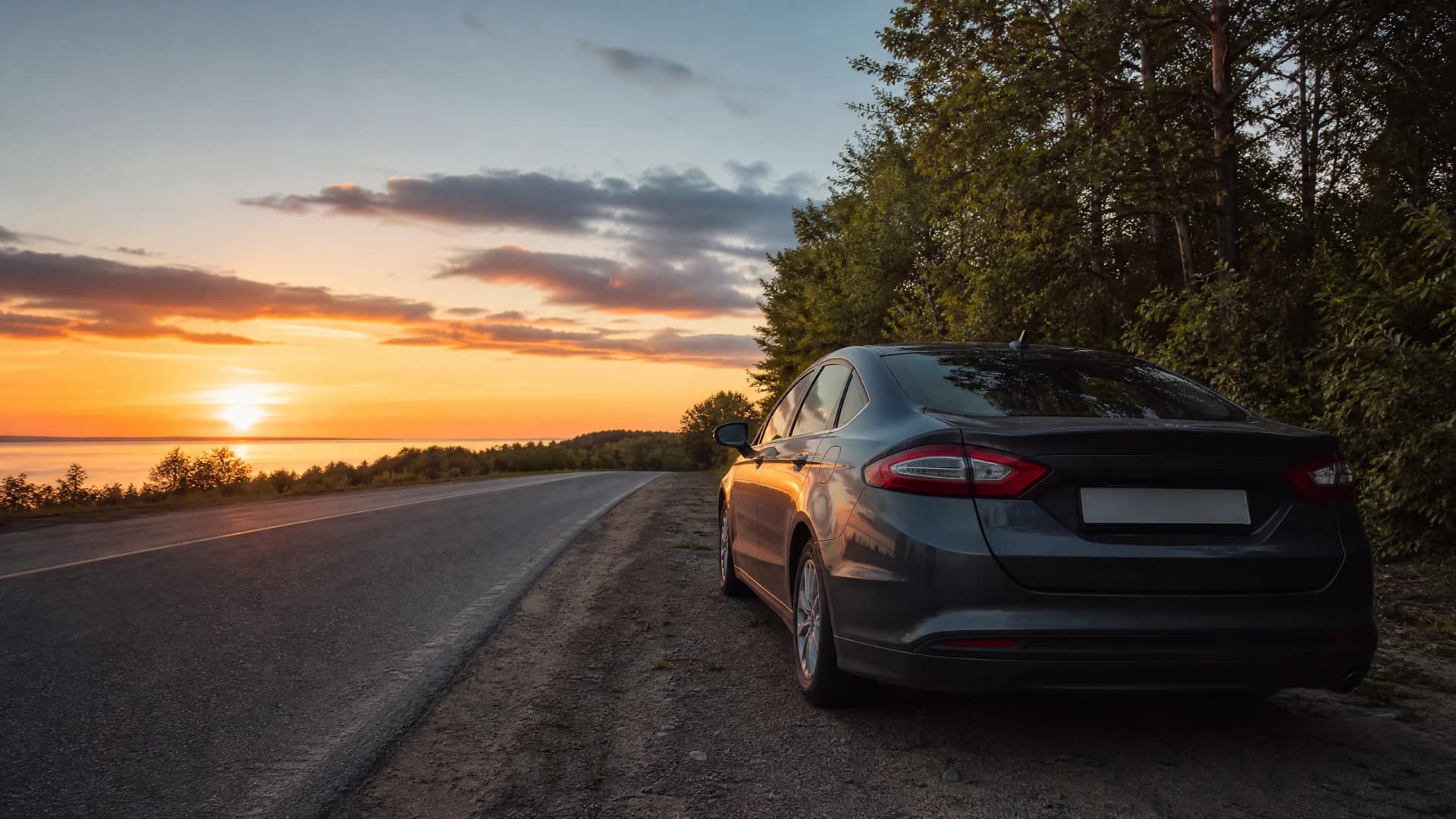
A car garaged at a second address in a different state cannot share your primary policy's multi-car discount—most carriers write policies state-by-state, and the discount does not bridge them.



When the Second Home Sits in a Different State
A car garaged in a different state requires a separate policy issued in that state. State minimum liability limits vary—your primary state may require 25/50/25, while the second-home state requires 30/60/25—and the policy must satisfy the state where the car is garaged. You cannot stretch a single policy across state lines unless the carrier writes in both states and structures the policy as a multi-state account, which most do not offer for personal auto.
Each state policy is priced independently. The second-home car does not benefit from your primary policy's multi-car discount, and you do not get a cross-policy discount for insuring multiple vehicles with the same carrier. Some carriers offer a multi-policy discount if you hold home and auto with them in both states, but that discount is smaller than the multi-car discount and requires bundling in each state separately.
Registration and titling rules add another layer. Some states require the vehicle to be registered at the garaging address, which means you title and register the car in the second-home state even if your primary residence is elsewhere. Other states allow you to maintain registration in your primary state as long as the car is garaged there fewer than a set number of days per year. Check both states' DMV rules before structuring the policy—mismatched registration and garaging addresses can void coverage.
21 carriers
Multi-State Auto Carriers
Not every carrier writes policies in every state. If your second home sits in a state your primary carrier does not serve, you will need a separate carrier for that vehicle, which eliminates any possibility of a shared discount.
National carrier roster data

When Both Properties Sit in the Same State
A car garaged at a second home within the same state can often sit on your primary policy, but the multi-car discount savings shrink because each vehicle is rated by its own address. The second-home car pays the rate for its zip code—if that area has higher theft rates or accident frequency than your primary residence, the premium for that vehicle rises, and the policy's total cost increases even with the discount applied.
Some carriers cap the multi-car discount at vehicles garaged at the primary residence. If your policy lists your primary home as the garaging address for three cars and you add a fourth garaged at the vacation property, the fourth car may not receive any discount at all. Other carriers apply the discount but re-rate the entire policy at a blended rate that accounts for both addresses, which can raise the premium on every vehicle already insured. Ask the carrier how they handle multiple garaging addresses before adding the second-home car—the answer determines whether keeping it on one policy actually saves money.
Compare Policies That Fit Your Household Structure
A car garaged at a second home changes the policy structure most households expect. The multi-car discount applies only when every vehicle sits on the same policy, and garaging addresses determine whether that is possible. If the second home is in a different state, you need a separate policy and lose the discount. If it is in the same state, you may keep one policy but pay higher rates for the second-home vehicle based on its location.
Compare carriers that write in both locations and understand how they price multi-address policies. Some carriers offer better rates for vacation-home vehicles; others penalize any garaging address outside the primary residence. The comparison tool on this site lets you enter multiple garaging addresses and see which carriers structure the coverage to fit your household. Start there, and bring documentation for both properties when you request quotes.
What Carriers Need to Know About the Second Home
Carriers require the physical garaging address: the street address where the car is parked overnight for the majority of the year. A vacation home you visit monthly still counts as the garaging address if the car never leaves that property. Some carriers also ask for proof of the second property—a utility bill, property tax statement, or deed—to verify you own or control the location. If the car is garaged at a rental property or a family member's home, the carrier may require additional documentation showing you have permission to garage it there.
Driver assignment matters. If you are the only person who drives the second-home car, the carrier prices it as yours even though it sits at a different address. If a family member, tenant, or caretaker drives it regularly, that person must be listed as a driver on the policy, and their driving record re-rates the vehicle. Carriers will not cover a car driven by an unlisted household member, and a claim involving an excluded driver can be denied outright.
Get Your Free Quote
Get My Multi-Car Insurance QuoteFrequently Asked Questions
Can I insure a car garaged at my vacation home on my primary policy?
Only if both properties are in the same state and your carrier allows multiple garaging addresses on one policy. A car garaged in a different state requires a separate policy issued in that state. Even within the same state, the second-home car is rated by its own zip code, which may raise the premium.
Does the multi-car discount apply to a vehicle at my second home?
The multi-car discount applies only to vehicles on the same policy. If the second-home car requires a separate policy because it is garaged in a different state, the discount does not apply. If both properties are in the same state and the carrier allows one policy, the discount applies but each vehicle is rated by its garaging address.
What happens if I list the wrong garaging address for my second-home car?
Listing the wrong garaging address is misrepresentation, and the carrier can deny a claim or cancel the policy if they discover it. Garaging address determines the rate and the applicable state regulations—if the car is garaged somewhere other than the address on the policy, coverage may not apply.
Do I need to register the car in the state where my second home is located?
Registration rules vary by state. Some states require registration at the garaging address if the car is parked there more than a set number of days per year. Other states allow you to maintain registration in your primary state. Check both states' DMV rules to ensure registration and garaging address align with the policy.
Can I get a discount for insuring cars in two states with the same carrier?
Most carriers do not offer a cross-policy discount for vehicles in different states. You may qualify for a multi-policy discount if you bundle home and auto in each state separately, but that discount is smaller than the multi-car discount and requires separate policies in each state.