
Insuring More Cars Than Drivers
Free to compare
When Vehicle Count Exceeds Driver Count
You own three vehicles. Two drivers live in your household. The third car sits in the garage most weeks, driven occasionally for errands or as a backup when one of the primary vehicles needs service. You assumed adding it to your existing two-car policy would be straightforward, but your premium jumped more than expected and you cannot tell whether the multi-car discount is even applying correctly.
The structural reality: carriers price every vehicle on a multi-car policy as if it will be driven regularly, regardless of how many drivers you have. The multi-car discount reduces the per-vehicle premium compared to insuring each car on a separate policy, but it does not account for a vehicle that sits idle most of the time. Your household pays for coverage calibrated to regular use across all three cars, even when actual mileage tells a different story.
“Carriers price every vehicle as if driven regularly, regardless of how many drivers you have or actual annual mileage.”

Put Every Car on One Better Policy
Get My Multi-Car Insurance Quote4-6 vehicles
Multi-Car Policy Typical Max
Most carriers allow 4 to 6 vehicles on a single policy before requiring a second policy or commercial coverage. Households with more cars than drivers often hit this ceiling when adding a rarely-driven vehicle, a classic car, or a teenager's first car.
Carrier underwriting guidelines, 2026
How the Multi-Car Discount Actually Works
The multi-car discount applies when you insure two or more vehicles on the same policy. The discount typically ranges from 10% to 25% per vehicle compared to insuring each car separately. Every vehicle on the policy receives the discount, including the third car that rarely moves.
The catch: the discount applies to a base premium that assumes regular use. Carriers calculate each vehicle's premium using factors like the car's make and model, garaging address, coverage selections, and the primary driver assigned to it. When you add a third vehicle to a two-driver household, the carrier assigns a driver to that car and prices it accordingly. The multi-car discount reduces that premium, but the starting point is still a regularly-driven vehicle.
Most carriers require you to designate a primary driver for each vehicle on the policy. If you have two drivers and three cars, one driver gets assigned to two vehicles. That assignment determines how the carrier prices the third car. If the driver assigned to the rarely-driven vehicle has a clean record, the premium stays lower. If they have violations or a DUI on record, the third car's premium reflects that risk even if the car sits in the garage.
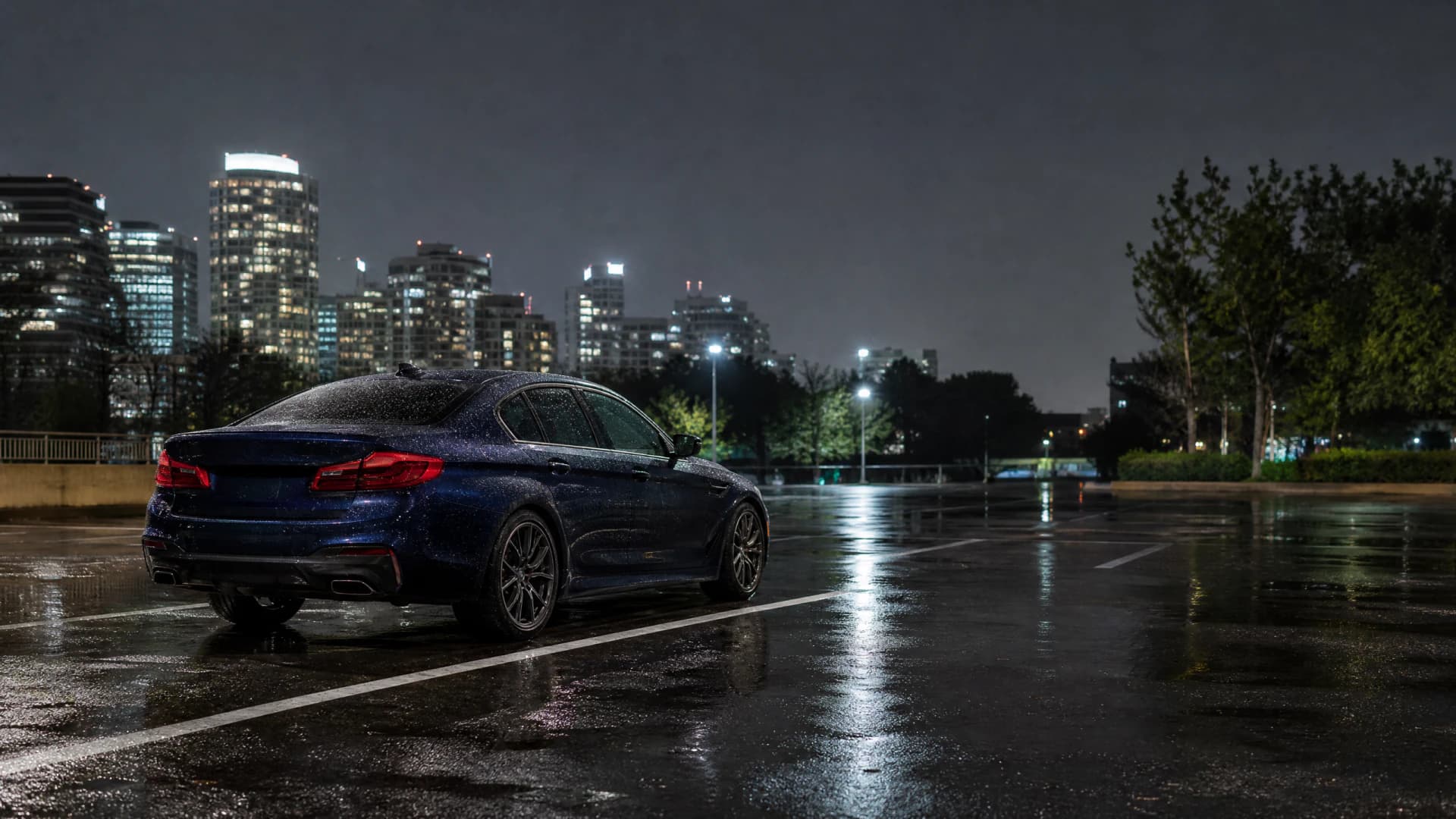
Carriers price the third vehicle as if driven regularly, even when actual annual mileage is under 2,000 miles. The multi-car discount does not adjust for low use.






Coverage Adjustments for Rarely-Driven Vehicles
You can lower the third vehicle's premium by adjusting coverage on that car specifically. Dropping collision and comprehensive coverage eliminates the portion of the premium that pays for physical damage to the vehicle itself. You keep liability coverage, which is required in every state, but you no longer pay for repairs to the rarely-driven car if it is damaged in an accident or by weather.
This makes sense when the vehicle's actual cash value is low. If the third car is worth $4,000 and your collision deductible is $1,000, the maximum payout you would receive after a total loss is $3,000. Collision coverage on a low-value vehicle often costs $300 to $600 per year. If the car sits in the garage most weeks, you are paying for coverage that delivers minimal financial protection.
Comprehensive coverage pays for theft, vandalism, fire, and weather damage. If the rarely-driven vehicle is garaged in a secure location and the risk of theft or weather damage is low, dropping comprehensive can cut another $200 to $400 per year from the premium. The multi-car discount still applies to the liability-only premium, and the vehicle remains on your policy.
One failure mode: if you drop collision and comprehensive on the third vehicle and then start driving it regularly, you have no coverage for physical damage. Re-adding collision and comprehensive mid-term re-rates the policy and the coverage does not apply retroactively. If the car's use changes, adjust coverage before the change happens.
$500 or $1,000
Collision Deductible Choices
Raising the deductible from $500 to $1,000 lowers the collision premium by approximately 15% to 30%. On a rarely-driven vehicle, the higher deductible reduces the annual cost without meaningfully increasing out-of-pocket risk, because the car is less likely to be in an accident.

When a Separate Policy Makes Sense
A separate policy for the third vehicle costs more than keeping it on your multi-car policy in most cases, but two situations make it worth comparing. First, if the rarely-driven car is a classic, antique, or collector vehicle, specialty insurers like Hagerty or Grundy offer agreed-value policies with mileage restrictions that cost less than adding the car to a standard multi-car policy. These policies require the vehicle to be stored in a garage and driven fewer than a set annual mileage, typically 2,500 to 5,000 miles.
Second, if the third vehicle will be driven by a household member who is not listed on your current policy, some carriers require that driver to carry their own separate policy rather than adding them and the vehicle to your existing policy. This happens when an adult child moves back home with their own car, or when a roommate who is not a family member needs coverage. Combining policies in these situations can raise the premium for every vehicle on the policy if the new driver has violations or a poor credit score.
Compare Carriers That Write Multiple Vehicles
Not every carrier prices multi-car policies the same way. Some carriers offer larger multi-car discounts but higher base premiums. Others price the third vehicle more aggressively when mileage is low or when the driver assigned to it has a clean record. Comparing quotes from carriers that specialize in multi-vehicle households shows you which structure delivers the lowest total premium for your specific situation.
Carriers that write competitive multi-car policies include State Farm, Geico, Progressive, Allstate, Nationwide, and Farmers. Request quotes that reflect your actual driver count, vehicle count, and annual mileage for each car. The quote should show the per-vehicle premium and the total policy premium after the multi-car discount applies. Compare the total cost, not just the discount percentage.
Low-Mileage and Usage-Based Alternatives
Low-mileage discounts apply when you certify that a vehicle will be driven fewer than a set annual threshold, typically 7,500 or 10,000 miles per year. Not every carrier offers this discount, and those that do require you to verify mileage annually. The discount reduces the premium for that specific vehicle while keeping it on your multi-car policy. Carriers that write low-mileage discounts include Allstate, Nationwide, and Travelers. The discount amount varies by carrier and state, but it typically reduces the vehicle's premium by 5% to 15%.
Usage-based insurance programs track actual mileage and driving behavior through a telematics device or smartphone app. You pay a base premium plus a per-mile rate, or the carrier adjusts your premium at renewal based on recorded mileage. Programs like Progressive's Snapshot, Allstate's Drivewise, and Nationwide's SmartMiles are designed for low-mileage drivers. If the third car drives fewer than 5,000 miles per year, a usage-based program often costs less than a standard multi-car policy premium even after the multi-car discount applies.
Get Your Free Quote
Get My Multi-Car Insurance QuoteFrequently Asked Questions
Does the multi-car discount apply if I have more cars than drivers?
Yes. The multi-car discount applies when you insure two or more vehicles on the same policy, regardless of driver count. Every vehicle on the policy receives the discount, typically 10% to 25% per car. The discount reduces the per-vehicle premium, but carriers still price each car as if it will be driven regularly.
How do I lower the premium on a car I rarely drive?
Drop collision and comprehensive coverage if the vehicle's actual cash value is low, or ask your carrier about a low-mileage discount if annual mileage is under 7,500 miles. Usage-based insurance programs like Progressive Snapshot or Nationwide SmartMiles charge based on actual miles driven and often cost less for rarely-driven vehicles.
Can I insure three cars with only two drivers on the policy?
Yes. Carriers allow you to insure more vehicles than drivers. You designate a primary driver for each vehicle, and one driver will be assigned to two cars. The carrier prices each vehicle based on the driver assigned to it, the car's make and model, and your coverage selections.
What happens if I add a third car mid-term to my policy?
Adding a vehicle mid-term re-rates the entire policy, not just the new car. The carrier recalculates the premium for every vehicle on the policy based on the new vehicle count, driver assignments, and coverage selections. The multi-car discount applies to all vehicles, but the total premium increases to reflect the additional car.
Should I put a rarely-driven car on a separate policy?
In most cases, no. A separate policy costs more than adding the vehicle to your existing multi-car policy, even after the multi-car discount. The exception: classic or collector vehicles often cost less to insure on a specialty policy with mileage restrictions through carriers like Hagerty or Grundy.
Do I need to assign a primary driver to every vehicle?
Yes. Most carriers require you to designate a primary driver for each vehicle on a multi-car policy. If you have more cars than drivers, one driver will be assigned to multiple vehicles. The assignment determines how the carrier prices each car.