
Insuring Multiple Cars You Rarely Drive
Free to compare
When the Multi-Car Policy Treats Every Vehicle the Same
You own four vehicles: two daily drivers, a classic you take out twice a month, and a truck you use for hauling a few times a year. Your carrier quoted you a multi-car policy with the multi-car discount applied, and the premium still feels too high. The problem is structural: the policy rates every vehicle as if it's driven daily, even though two of them sit in your garage most of the year.
The multi-car discount reduces your per-vehicle premium, but it doesn't account for actual use. A car driven 15,000 miles annually and a car driven 1,500 miles annually carry the same collision and comprehensive base rate on most policies. You're paying full-use premiums for vehicles that spend most of their time parked, and the discount doesn't fix that mismatch.
“The multi-car discount reduces your combined premium, but it doesn't adjust individual vehicle rates for low mileage.”

Put Every Car on One Better Policy
Get My Multi-Car Insurance Quote3,421–315,244 million
Annual Vehicle Miles by State
Annual vehicle miles traveled varies dramatically by state, from 3,421 million in the least-traveled states to over 315,244 million in the most-traveled. Your rarely-driven vehicles likely fall far below your state's average per-vehicle mileage, but standard policies don't adjust premiums to reflect that.
FHWA 2022 state vehicle miles data
How Multi-Car Policies Rate Vehicles
Multi-car policies apply the multi-car discount to the total premium, not to individual vehicles. The discount typically reduces your combined cost by a percentage when you insure two or more vehicles on the same policy, but each vehicle still carries its own base rate calculated from the car's value, your garaging address, and assumed annual mileage. Most carriers assume 12,000 to 15,000 miles per year unless you specify otherwise.
The rarely-driven car gets the same collision and comprehensive pricing as the daily driver because the policy treats them identically. Comprehensive coverage protects against theft, vandalism, and weather damage whether the car is driven or parked, so that portion of the premium doesn't drop much. Collision coverage, however, prices the risk of an accident: a car driven twice a month has far lower collision exposure than one driven daily, but the standard policy doesn't reflect that difference.
Some carriers offer low-mileage or usage-based programs that adjust premiums based on actual miles driven. These programs require either self-reported annual mileage or a telematics device that tracks your driving. If your rarely-driven vehicles qualify, the mileage adjustment can reduce collision premiums significantly. Not every carrier writes these programs for every vehicle on a multi-car policy, and some exclude classic or specialty vehicles entirely.
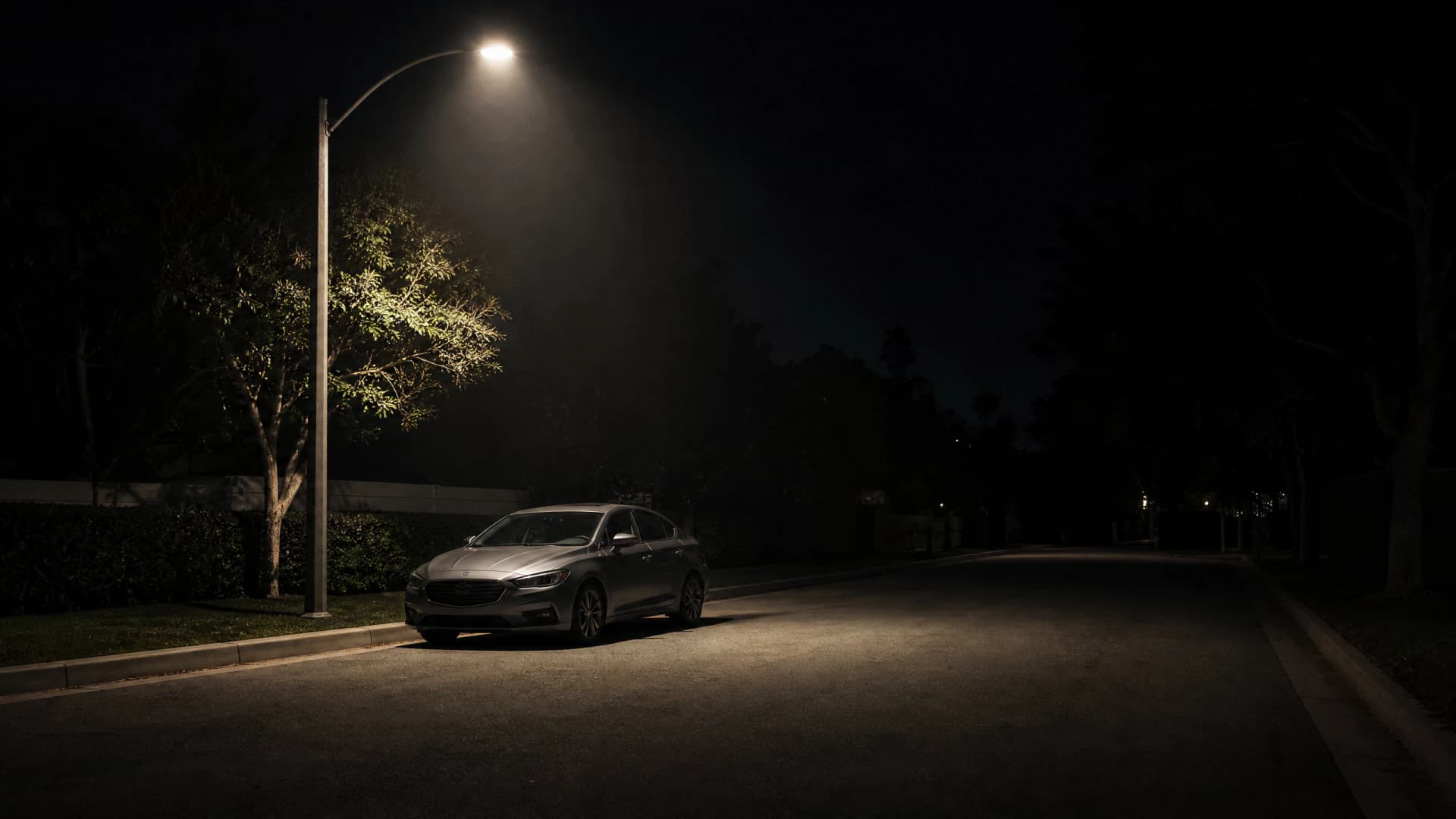
The multi-car discount saves money across the policy, but it doesn't adjust individual vehicle premiums for low mileage. You need a mileage-based adjustment or coverage restructure to stop overpaying for rarely-driven cars.





Storage and Lay-Up Policies for Seasonal Vehicles
A storage or lay-up policy covers a vehicle that is not driven at all for part of the year. Liability and collision coverage are suspended during the storage period, and only comprehensive remains active to protect against theft, fire, and weather damage while the car sits. When you bring the vehicle back into use, you reactivate full coverage. This works for seasonal vehicles like convertibles, motorcycles stored over winter, or classic cars driven only in summer.
Not every carrier offers storage policies, and those that do may require the vehicle to be stored in a locked garage rather than parked outside. The premium during storage drops to a fraction of the full-coverage cost because the carrier's risk is limited to comprehensive claims. You cannot drive the vehicle while it's on storage coverage: if you do and have an accident, the claim will be denied. The storage period must be declared in advance, and reactivating coverage mid-term may require advance notice.
For a multi-car household with one or two seasonal vehicles, switching those cars to storage coverage during off-months and keeping daily drivers on standard coverage can reduce the annual premium significantly. The multi-car discount applies only to active policies, so if you remove a vehicle from the policy entirely during storage rather than switching to a storage endorsement, you may lose the discount on the remaining cars. Ask your carrier whether storage coverage keeps the vehicle on the policy for discount purposes.
34 carriers
National Carrier Roster
Thirty-four carriers write multi-car policies nationally, but not all offer low-mileage programs, storage endorsements, or usage-based pricing. Comparing carriers that write the specific coverage structure your household needs is the only way to find the policy that fits rarely-driven vehicles without overpaying.
National carrier roster 2026

Low-Mileage and Usage-Based Programs
Low-mileage programs reduce premiums for vehicles driven below a carrier-defined annual threshold, typically 7,500 or 10,000 miles per year. You report your odometer reading at policy inception and renewal, and the carrier adjusts your rate based on actual mileage. Some programs require periodic odometer photos submitted through a mobile app. If you exceed the declared mileage during the policy term, the carrier may adjust your premium at renewal or mid-term.
Usage-based programs use a telematics device or smartphone app to track mileage, time of day, and driving behavior. The carrier calculates your premium based on actual use rather than estimated annual mileage. For rarely-driven vehicles, usage-based programs can produce the largest premium reduction because the carrier sees real-time proof that the car sits most of the time. Not every carrier allows telematics on every vehicle in a multi-car policy, and some exclude vehicles over a certain age or classic cars from the program entirely.
Compare Carriers That Write Your Vehicle Mix
The carrier that offers the best multi-car discount may not be the carrier that writes the best coverage structure for rarely-driven vehicles. Some carriers specialize in classic or collector cars and offer agreed-value policies with mileage restrictions built in. Others write standard multi-car policies with no low-mileage option at all. Comparing carriers that write both daily-driver coverage and rarely-driven vehicle programs on the same policy is the only way to find the structure that fits your household.
When you compare quotes, specify the annual mileage for each vehicle separately. A quote that assumes 12,000 miles per year for every car will overprice the rarely-driven vehicles. Ask whether the carrier offers storage endorsements, low-mileage discounts, or usage-based programs, and whether those programs apply to all vehicles on the policy or only certain types. The multi-car discount applies after the per-vehicle rates are calculated, so getting the individual vehicle premiums right matters more than the discount percentage.
Restructuring Coverage by Vehicle Use
For a rarely-driven vehicle worth less than a few thousand dollars, dropping collision coverage eliminates the highest-cost portion of the premium. Comprehensive coverage remains in place to protect against theft and damage while parked, and liability stays active if you drive the car occasionally. This works well for older vehicles where collision coverage costs more annually than the car's depreciated value. The multi-car discount still applies to the remaining vehicles on the policy.
If the rarely-driven car has higher value or you want collision protection, raising the deductible to the maximum your carrier offers reduces the collision premium without eliminating coverage. A higher deductible means you pay more out of pocket if you have an accident, but for a car driven infrequently the lower annual premium often justifies the trade-off. Some carriers allow different deductibles for different vehicles on the same multi-car policy; others require the same deductible across all cars.
Get Your Free Quote
Get My Multi-Car Insurance QuoteFrequently Asked Questions
Can I keep rarely-driven cars on my multi-car policy and still get a discount?
Yes. The multi-car discount applies when you insure two or more vehicles on the same policy, regardless of how often you drive each car. The discount reduces your combined premium, but it doesn't adjust individual vehicle rates for low mileage. To lower premiums on rarely-driven cars, ask your carrier about low-mileage programs, higher deductibles, or dropping collision coverage on older vehicles.
What is a storage or lay-up policy for a vehicle I don't drive year-round?
A storage or lay-up policy suspends liability and collision coverage on a vehicle that is not driven for part of the year, leaving only comprehensive coverage active to protect against theft and damage while parked. The premium during storage drops to a fraction of full-coverage cost. You cannot drive the vehicle while it's on storage coverage, and most carriers require the car to be stored in a locked garage.
Do usage-based insurance programs work for rarely-driven cars on a multi-car policy?
Usage-based programs track mileage and driving behavior through a telematics device or smartphone app, and they can reduce premiums significantly for rarely-driven vehicles because the carrier sees real-time proof of low use. Not every carrier allows telematics on every vehicle in a multi-car policy, and some exclude older or classic cars from the program. Ask your carrier whether usage-based pricing applies to all vehicles on your policy.
Should I drop collision coverage on a rarely-driven car to lower my premium?
If the rarely-driven car is worth less than a few thousand dollars, dropping collision coverage eliminates the highest-cost portion of the premium while keeping comprehensive and liability in place. Collision coverage often costs more annually than the car's depreciated value on older vehicles. For higher-value rarely-driven cars, raising the collision deductible to the maximum reduces premiums without eliminating coverage entirely.
Will I lose the multi-car discount if I remove a rarely-driven vehicle from my policy?
Removing a vehicle from the policy entirely can reduce the number of cars insured and may lower or eliminate the multi-car discount on the remaining vehicles. Switching a rarely-driven car to storage coverage instead of removing it keeps the vehicle on the policy for discount purposes in most cases. Ask your carrier whether storage endorsements count toward the multi-car discount before making the change.