
One Policy vs Two for Roommates
Free to compare
The Shared-Policy Question
You and your roommate each own a car. You share an address, you split rent, and now you're wondering whether you can share one auto insurance policy and split that cost too. The appeal is obvious: one multi-car discount, one renewal date, one bill to manage. The structural reality is less obvious, and most roommates do not discover it until after they've already committed.
The multi-car discount exists to reward households that consolidate multiple vehicles onto one policy. Carriers price it assuming shared household risk: married couples, parents insuring a teen's car, or one person owning multiple vehicles. Roommates occupy a different position. You are not related, you do not share finances beyond rent and utilities, and your driving histories are independent. Most carriers treat this as two separate risk profiles and will not write a shared policy at all.
“A shared policy means shared liability: one roommate's claim raises the premium for both vehicles, regardless of who was driving.”

Put Every Car on One Better Policy
Get My Multi-Car Insurance Quote34 carriers
National Carrier Roster
The national roster includes State Farm, Geico, Progressive, Allstate, and 30 others. Not all write shared policies for unrelated roommates, and those that do impose stricter underwriting rules than they apply to married or related households.
NAIC carrier licensing data, 2026
What Shared Liability Actually Means
When two roommates combine onto one policy, both names appear on the policy declarations page. Both vehicles are rated together. Both drivers are listed as household members with access to both cars. The carrier assumes either driver could operate either vehicle at any time, and prices the policy accordingly. This is not a cosmetic detail—it is the structural foundation of how the policy works.
If your roommate causes an at-fault accident in their car, the claim goes against the shared policy. Your premium increases at renewal, not just theirs. If your roommate gets a speeding ticket, that violation appears on the shared policy and affects the rate for both vehicles. The multi-car discount does not insulate you from their driving record; it binds you to it. Carriers do not separate liability by vehicle when both vehicles sit on the same policy.
The reverse is equally true. Your at-fault claim raises your roommate's premium. Your traffic violation affects their rate. The shared policy creates shared financial exposure in both directions, and most roommates do not expect this when they agree to combine coverage.
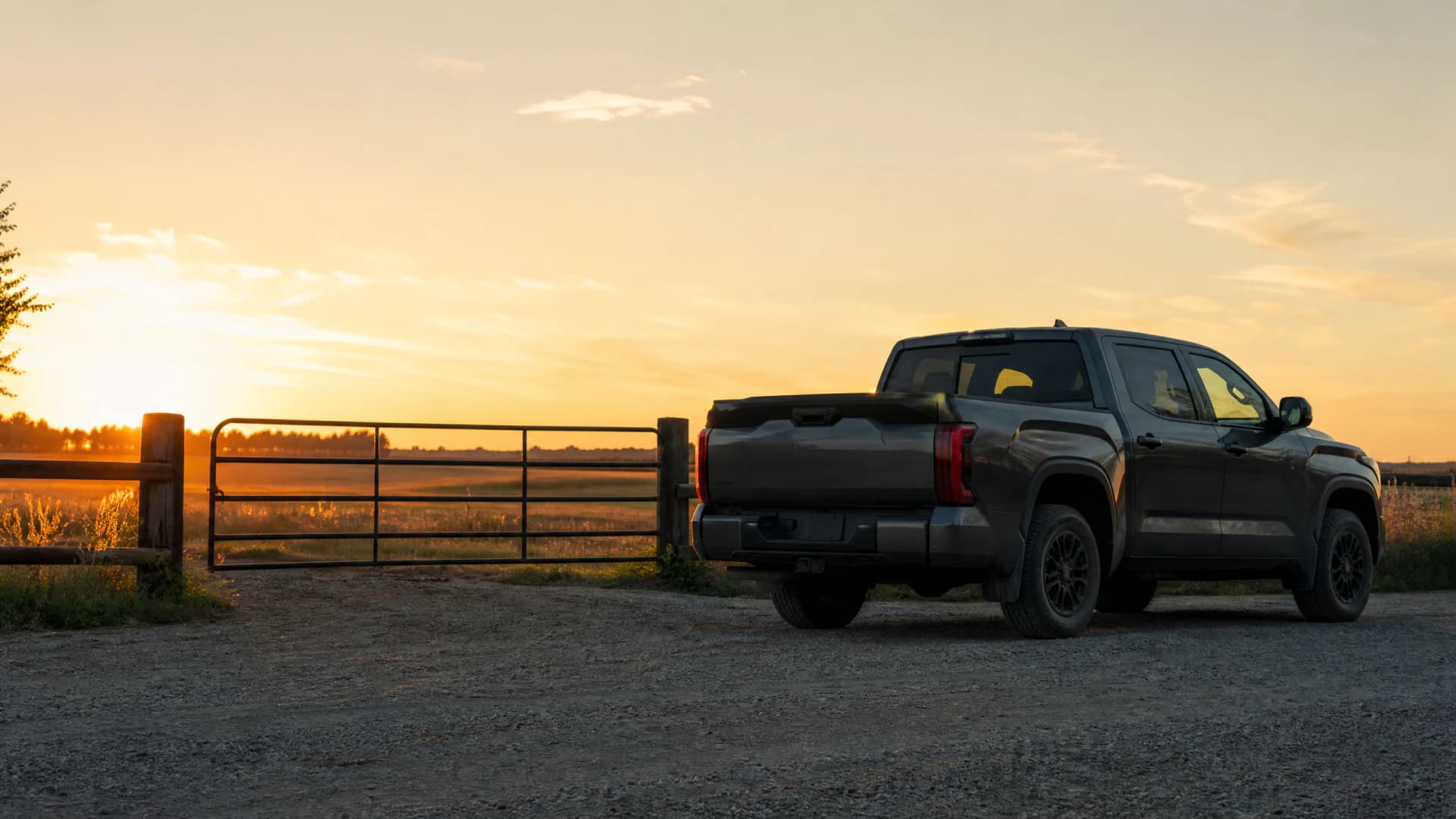
A shared policy means shared liability: one roommate's claim or violation raises the premium for both vehicles, regardless of who was driving.
Related Articles




When Two Policies Cost Less
The multi-car discount typically saves 10 to 25 percent per vehicle when applied to a clean household. But that discount applies to the combined premium after both vehicles are rated together. If one roommate has a significantly higher risk profile—older vehicle, longer commute, worse driving record—the combined premium can be higher than the sum of two separate policies, even after the discount.
Run the comparison both ways. Get a quote for a shared policy with both vehicles and both drivers listed. Then get separate quotes for each roommate on their own policy. Compare the total monthly cost. In many cases, the separate-policy total is lower, especially when one roommate qualifies for a good-driver discount or low-mileage discount that the other does not.
Separate policies also eliminate shared liability. Your roommate's claim does not affect your premium. Your violation does not affect theirs. Each policy renews independently, and each roommate controls their own coverage selections and deductible levels. This independence has value that the multi-car discount does not always offset.
$61–$120/mo
General Driver Premium Range
National average monthly premiums for drivers with clean records range from $61 to $120 depending on state, vehicle, and coverage selections. Roommates with clean records often pay less on separate policies than on a shared policy that averages both risk profiles.
NAIC Auto Insurance Database, 2023

The Excluded-Driver Option
Some carriers allow one roommate to be listed as an excluded driver on the other roommate's policy. This means the excluded roommate is explicitly prohibited from driving the insured vehicle, and the carrier will deny any claim if the excluded driver operates the car. In exchange, the excluded driver's record does not affect the policy premium.
This structure works when roommates never drive each other's cars and want to avoid shared liability. But it requires strict adherence. If your roommate borrows your car in an emergency and causes an accident, the carrier will deny the claim because the excluded driver was behind the wheel. The financial exposure falls entirely on you. Most roommates find this restriction unworkable in practice, even when they believe they will never need to share vehicles.
Compare Both Structures Before Committing
The decision between one shared policy and two separate policies depends on your specific situation: your driving records, your vehicles, your coverage needs, and your carrier's underwriting rules. The multi-car discount is real, but it is not always large enough to offset the higher combined premium or the shared-liability exposure.
Get quotes for both structures. Ask each carrier whether they will write a shared policy for unrelated roommates, what underwriting rules apply, and how they list drivers on a multi-vehicle policy. Compare the total monthly cost, the coverage limits, and the liability structure. If the shared policy saves money and both roommates have clean records, it may be the better option. If the separate-policy total is lower or one roommate has a higher-risk profile, two policies eliminate the shared-liability problem and often cost less. The comparison takes 20 minutes and prevents a costly mistake at renewal.
Carrier Underwriting Rules for Roommates
Most carriers require both roommates to have clean driving records before they will write a shared policy. A DUI, at-fault accident in the past three years, or multiple violations disqualifies the household. Married couples and parent-teen households can often add a high-risk driver to an existing policy; roommates typically cannot. The carrier treats the roommate relationship as optional rather than obligatory, and underwrites it more conservatively.
Some carriers require both roommates to be listed as primary drivers on both vehicles, even when each roommate drives only their own car. This doubles the exposure the carrier sees and raises the premium accordingly. Other carriers allow each roommate to be listed as the primary driver of one vehicle and an occasional driver of the other, but this distinction is carrier-specific and not guaranteed. If your carrier requires dual-primary listing, the shared policy may cost more than two separate policies even after the multi-car discount.
Get Your Free Quote
Get My Multi-Car Insurance QuoteFrequently Asked Questions
Can roommates share one car insurance policy?
Most carriers will not write a shared policy for unrelated roommates. Carriers that do require both roommates to have clean driving records and list both drivers as household members with access to both vehicles. Shared policies create shared liability: one roommate's claim or violation raises the premium for both.
Does a multi-car discount apply to roommates?
The multi-car discount applies when two vehicles sit on one policy, but most carriers will not write that policy for unrelated roommates. When a carrier does allow it, the discount applies to the combined premium after both vehicles are rated together, and shared liability means one roommate's claim affects both premiums.
Is it cheaper for roommates to share one policy or keep separate policies?
It depends on your driving records and your carrier's underwriting rules. If one roommate has a higher-risk profile, the combined premium can exceed the sum of two separate policies even after the multi-car discount. Compare quotes for both structures before committing.
What happens if my roommate causes an accident on our shared policy?
The claim goes against the shared policy, and your premium increases at renewal along with theirs. Shared policies create shared financial exposure: one roommate's at-fault accident or traffic violation affects the rate for both vehicles.
Can one roommate be excluded from the other's policy?
Some carriers allow one roommate to be listed as an excluded driver, which means they are prohibited from driving the insured vehicle and their record does not affect the premium. If the excluded driver operates the car and causes an accident, the carrier denies the claim.