One Policy for a Car and a Truck
Free to compare
When Your Truck Doesn't Qualify the Way You Expected
You own a sedan and just bought a pickup truck. You called your carrier to add the truck to your existing policy, expecting the multi-car discount to lower your combined premium. Instead, the agent quoted a rate higher than insuring each vehicle separately—or said the truck needs its own policy. The confusion is structural: not every vehicle qualifies for the same-policy multi-car discount the same way.
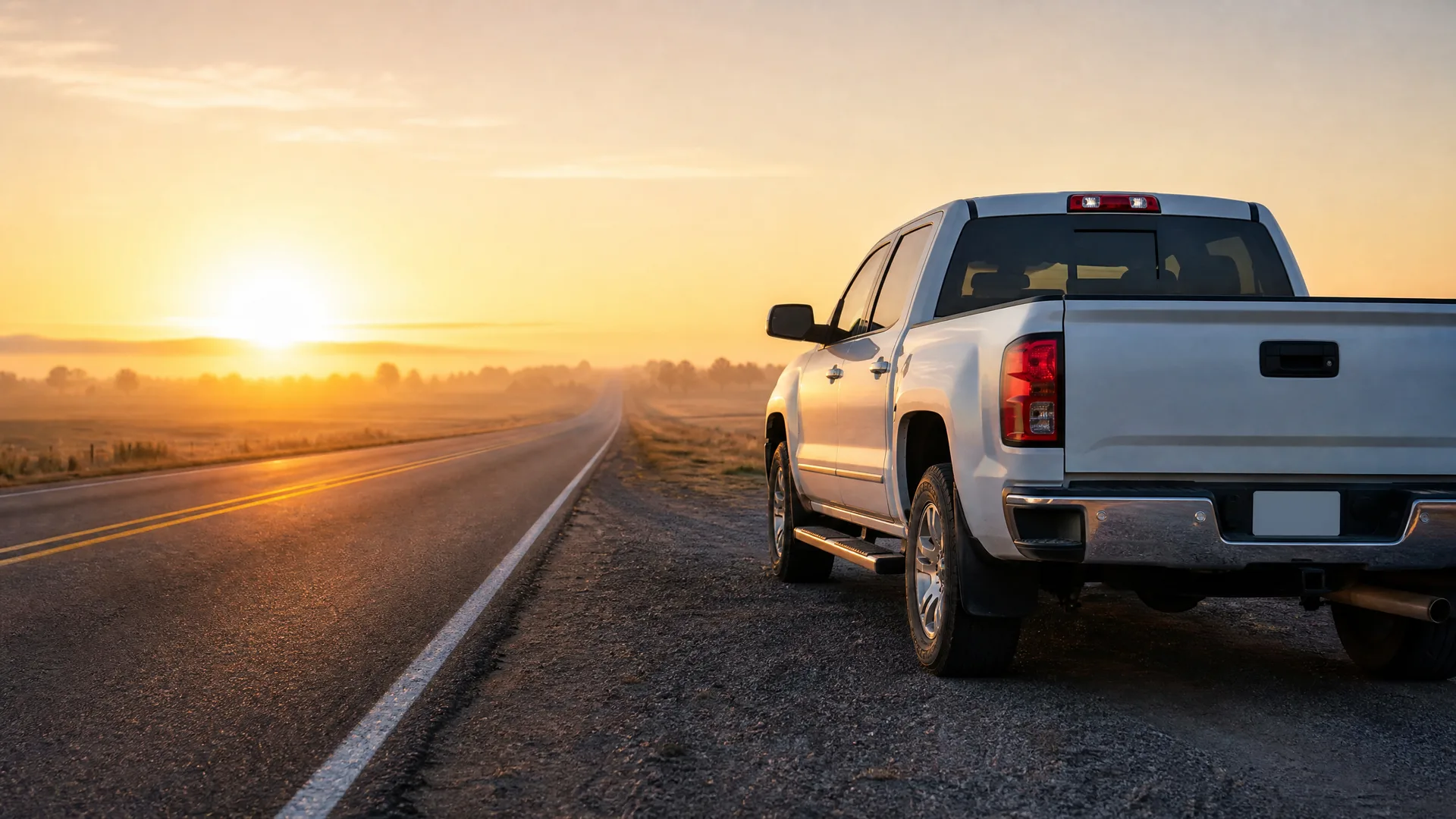
The multi-car discount applies when you insure two or more vehicles on one policy, but carriers classify trucks differently than passenger cars based on gross vehicle weight rating, cab configuration, and declared usage. A half-ton pickup used for personal driving usually qualifies. A three-quarter-ton crew cab registered for commercial use often does not. The classification determines whether combining saves money or costs more.
“A truck over 8,500 pounds blocks the multi-car discount even when the carrier agrees to insure it.”
Put Every Car on One Better Policy
Get My Multi-Car Insurance Quote$61–$120/mo
National Auto Premium Range
The average monthly auto insurance premium across all driver profiles ranges from $61 to $120. Adding a second vehicle to an existing policy typically lowers the per-vehicle cost when both qualify for the multi-car discount, but weight class and usage can reverse that savings.
NAIC 2023 Auto Insurance Database
What Carriers Actually Look At
Carriers classify your truck by its gross vehicle weight rating. Light-duty trucks under 8,500 pounds—most half-ton pickups like the Ford F-150, Chevrolet Silverado 1500, and Ram 1500—are treated as personal vehicles and qualify for the multi-car discount when garaged at the same address as your car. Medium-duty trucks over 8,500 pounds, including three-quarter-ton and one-ton models, often require commercial auto coverage or a separate personal policy, even when used for personal driving only.
Declared usage matters as much as weight. A truck registered for personal use and driven primarily for commuting, errands, and recreation qualifies for standard personal auto coverage. A truck registered for business use, used to haul tools or equipment for work, or titled to an LLC triggers commercial classification. Some carriers write both personal and commercial lines and will place the truck on a commercial policy while keeping your car on a personal policy. Others write personal lines only and will decline to insure the truck at all.
The multi-car discount requires every vehicle on the policy to share the same garaging address. If your truck is garaged at a work site, storage lot, or second property, it does not qualify for the same-policy discount even when it meets the weight and usage criteria. The carrier rates each vehicle based on its own garaging ZIP code, and a truck garaged elsewhere sits on a separate policy by default.
A truck over 8,500 pounds or registered for business use blocks the multi-car discount, even when the carrier agrees to insure it.



When Separate Policies Cost Less
A truck that does not qualify for the multi-car discount can still cost less to insure separately than forcing it onto your existing policy. Carriers that specialize in commercial auto or high-weight personal trucks often quote lower rates for those vehicles than general-market carriers. Progressive, Nationwide, and State Farm write both personal and commercial lines and can quote your car and truck on separate policies under the same account. The Zebra, Clearcover, and Root write personal lines only and decline trucks over a certain weight, forcing you to shop a second carrier for the truck alone.
Compare the combined premium for one policy against the combined premium for two separate policies. A carrier that writes your car at a competitive rate may quote your truck higher than a commercial-specialist carrier. The multi-car discount on one policy does not always beat the sum of two separate policies when the truck's standalone rate is significantly lower elsewhere. Run both scenarios before committing.
Some households own a car for daily driving and a truck used occasionally for hauling or towing. If the truck sits idle most of the year, ask your carrier about pleasure-use or stored-vehicle coverage. Pleasure-use policies cover a vehicle driven fewer than a set number of miles per year—typically 5,000 to 7,500—and cost less than standard coverage. Stored-vehicle coverage drops liability and collision during months the truck is not driven, leaving only comprehensive to cover theft and weather damage. Both options lower the combined premium when the truck does not need full-time coverage.
34 carriers
National Carrier Roster
Thirty-four carriers write personal auto coverage nationally, but not all write trucks over 8,500 pounds or commercial-use vehicles. Comparing carriers that specialize in your truck's weight class and usage often produces a lower combined premium than forcing both vehicles onto one general-market policy.
NAIC carrier licensing data

Coverage Limits Across Both Vehicles
When your car and truck sit on one policy, they share the same liability limits. If you carry 100/300/100 coverage, that limit applies to any accident involving either vehicle. When the vehicles sit on separate policies, each policy carries its own limits. A household with two policies must maintain the state minimum on both to stay legal, and many lenders require collision and comprehensive on financed vehicles regardless of which policy they sit on.
Most states require minimum liability coverage per vehicle, not per policy. If your state requires 25/50/25 and you insure two vehicles on one policy, you need 25/50/25 total—not double. Separate policies require each to meet the minimum independently. Bundling two vehicles on one policy does not increase the liability requirement, but splitting them onto two policies means each must carry enough coverage to satisfy the state and any lienholder.
What to Do Right Now
Call your current carrier with your truck's VIN and ask whether it qualifies for personal auto coverage on your existing policy. If yes, request a quote with the truck added and confirm the multi-car discount applies. If the carrier declines the truck or quotes it higher than expected, request quotes from Progressive, Nationwide, and State Farm for both a combined policy and separate personal and commercial policies. Compare the total premium for one policy against two separate policies, then choose the structure that costs less. If your truck is used occasionally, ask about pleasure-use or stored-vehicle coverage to lower the combined cost. Add the truck to your chosen policy within your carrier's grace period to avoid a lapse, and verify both vehicles appear on your declarations page before the term starts.
How to Structure Coverage for Both Vehicles
Call your current carrier and provide the truck's year, make, model, VIN, and gross vehicle weight rating. Ask whether the truck qualifies for personal auto coverage on your existing policy or requires commercial coverage. If the carrier writes both lines, ask for quotes with the truck on the same policy as your car and on a separate commercial policy. Compare the combined premium for both structures. If the carrier writes personal lines only and declines the truck, you need a second carrier.
When the truck qualifies for the same policy, add it during your current term rather than waiting for renewal. Most carriers extend a grace period of 14 to 30 days to report a newly purchased vehicle, but the multi-car discount applies only after the truck is formally added. Delaying the addition past renewal means you pay the single-vehicle rate for your car through the end of the term, then re-rate both vehicles at renewal. Adding mid-term re-rates the policy immediately and applies the discount to both vehicles for the remainder of the term.
Get Your Free Quote
Get My Multi-Car Insurance QuoteFrequently Asked Questions
Can I insure a car and a truck on the same policy?
Yes, when the truck weighs under 8,500 pounds, is registered for personal use, and is garaged at the same address as your car. Most half-ton pickups qualify. Heavier trucks or those registered for business use often require a separate commercial policy.
Does adding a truck to my car policy lower my premium?
It depends on the truck's weight class and usage. Light-duty trucks under 8,500 pounds usually qualify for the multi-car discount, lowering the per-vehicle cost. Heavier trucks or commercial-use vehicles may cost more on the same policy than on separate policies.
What happens if my truck is too heavy for my current carrier?
Your carrier will decline to insure the truck or require a separate commercial policy. You can keep your car on the original policy and shop a second carrier for the truck, or move both vehicles to a carrier that writes both personal and commercial lines.
Do I need the same coverage limits on both vehicles?
When both vehicles sit on one policy, they share the same liability limits. Separate policies allow different limits, but each must meet your state's minimum and any lienholder requirements independently.
Can I add my truck mid-term or do I have to wait for renewal?
Add the truck mid-term to apply the multi-car discount immediately. Most carriers extend a 14- to 30-day grace period to report a newly purchased vehicle, but the discount applies only after the truck is formally added to the policy.
What if my truck is used only occasionally?
Ask your carrier about pleasure-use or stored-vehicle coverage. Pleasure-use policies cover trucks driven fewer than 5,000 to 7,500 miles per year at a lower rate. Stored-vehicle coverage drops liability and collision during idle months, leaving only comprehensive.