
Combining Car Insurance for a Blended Family
Free to compare
The Blended-Family Policy Collision
You got married or moved in together. Each of you brought a car and an existing auto policy. Now the household has four vehicles, two policies, and a premium total that feels too high. Every comparison site says combining policies saves money through the multi-car discount, but when you called your carrier they quoted a combined premium higher than the two separate policies added together.
The structural confusion: the multi-car discount applies to policies, not households. A carrier cannot discount vehicles that sit on separate policies, even when those policies cover the same address. The discount requires every vehicle on one shared policy, and adding vehicles from a second policy re-rates the entire household based on every driver and every car together.
“A smaller discount on a higher base rate can produce a combined premium that exceeds the sum of two separate policies.”

Put Every Car on One Better Policy
Get My Multi-Car Insurance Quote$61–$120/mo
National Auto Premium Range
The average monthly auto insurance premium across the U.S. falls between $61 and $120 per vehicle, but blended families adding multiple drivers and vehicles to one policy see re-rating that can push the combined premium above the sum of two separate policies if one household brought high-risk drivers.
NAIC 2023 Auto Insurance Database
What the Multi-Car Discount Actually Requires
The multi-car discount is not automatic when you share an address. Carriers apply it only when multiple vehicles sit on the same policy, issued to the same named insured or co-insureds. If you and your spouse each maintain a separate policy in your own names, the carrier treats them as two unrelated policies and applies no multi-vehicle discount to either one.
Most carriers also require that every vehicle be garaged at the same address and that every household driver be listed on the policy. A vehicle titled to your spouse but garaged at a different address, or a stepchild's car titled in their name and garaged at college, may not qualify for the same-policy discount even when added to your policy.
The same-policy rule creates the structural blocker: combining two policies means choosing one as the primary policy, adding every vehicle and every driver to it, and canceling the second policy. The combined policy re-rates based on the full household risk profile, which can produce a higher premium than two separate policies if one household brought a driver with violations or a vehicle with high theft rates.
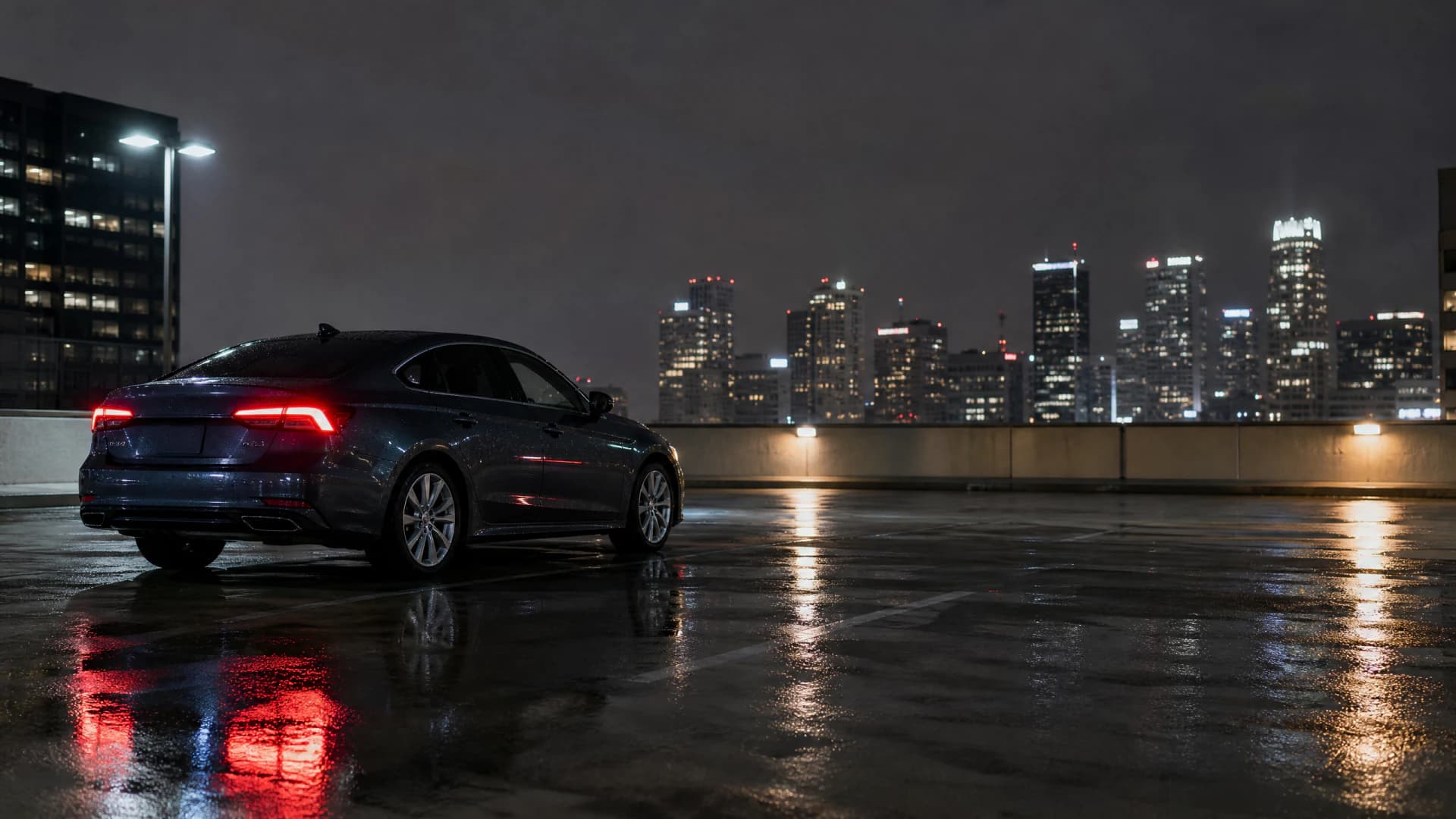
The multi-car discount requires every vehicle on one policy. Separate policies at the same address receive no discount, even when both name the same household.
Related Articles

How to Insure Multiple Cars on One Policy
7/11/2026

Combining Two Households' Cars on One Policy
7/11/2026

Combining Policies from Different Carriers
7/11/2026

Combining Auto Insurance With a Partner
7/11/2026
When to Combine Car Insurance Policies
7/11/2026

Best Way to Insure Multiple Family Vehicles
7/11/2026

When Combining Costs More Than Staying Separate
Combining policies does not always save money. If one household brought a driver with a recent DUI, multiple violations, or a suspended license, that driver's risk profile re-rates every vehicle on the combined policy. The multi-car discount may not offset the rate increase from adding the high-risk driver.
A second scenario: one household owns expensive vehicles with full coverage, the other owns older vehicles with liability only. Combining the policies forces the carrier to re-rate the expensive vehicles alongside the cheap ones, and some carriers raise the premium on the expensive vehicles to account for the household's aggregate risk. The multi-car discount applies to the new combined rate, not the old separate rates.
The decision point: compare the combined-policy quote against the sum of two separate policies. If the combined quote is higher, staying on separate policies may cost less, even without the multi-car discount. Some carriers allow you to keep separate policies at the same address, though you forfeit the discount.
34 carriers
National Carrier Roster
Thirty-four major carriers write multi-vehicle policies nationwide, but not all write households with high-risk drivers or non-standard vehicles. Comparing carriers that write your household's specific risk profile produces the most accurate combined-policy quote.
NAIC carrier licensing data

Which Vehicles Qualify for the Same-Policy Discount
A vehicle qualifies for the multi-car discount only when it is titled to a named insured or co-insured on the policy and garaged at the policy's primary address. A stepchild's car titled in their own name may not qualify, even when garaged at your address, unless the stepchild is added as a co-insured or the vehicle is re-titled to you or your spouse.
Some carriers allow a vehicle titled to a household member to qualify if that household member is listed as a rated driver on the policy. Other carriers require the vehicle to be titled to the policyholder. The same-policy rule varies by carrier, and the only way to know whether a specific vehicle qualifies is to request a quote that includes every vehicle and every driver in the household.
Compare Before You Combine
Request a combined-policy quote from at least three carriers that write multi-vehicle policies in your state. Provide every vehicle's VIN, every driver's license number, and every driver's violation history. The quote will reflect the household's aggregate risk and include the multi-car discount if applicable.
Compare the combined-policy quote against the sum of your two current separate policies. If the combined quote is lower, combining saves money. If the combined quote is higher, staying on separate policies may cost less, even without the multi-car discount. Some households save money by combining policies with one carrier while keeping a high-risk driver on a separate non-standard policy with a different carrier.
The comparison step is non-negotiable. Generic advice about multi-car discounts does not account for your household's specific risk profile, and the only way to know whether combining saves money is to compare actual quotes that include every vehicle and every driver.
How Combining Policies Re-Rates the Household
Start by listing every vehicle and every driver in the household. The carrier will require every licensed household member to be listed as either a rated driver or an excluded driver. If your spouse has a DUI or your stepchild has points, their driving record affects the entire policy's premium, not just the vehicle they drive. A household with one clean driver and one high-risk driver pays a blended rate across all vehicles.
The multi-car discount applies after the household is re-rated. A carrier might advertise a multi-car discount, but the discount percentage applies to the combined household premium, not to the two separate premiums you started with. A smaller discount on a higher base rate can produce a combined premium that exceeds the sum of two separate policies, especially when one household brought high-risk drivers or expensive vehicles.
Get Your Free Quote
Get My Multi-Car Insurance QuoteFrequently Asked Questions
Does combining car insurance policies always save money for blended families?
No. Combining policies saves money only when the multi-car discount offsets the rate increase from adding every driver and vehicle to one policy. If one household brought a high-risk driver or expensive vehicles, the combined premium can exceed the sum of two separate policies.
Can we keep separate car insurance policies at the same address?
Yes. Most carriers allow separate policies at the same address, though you forfeit the multi-car discount. Some households save money by keeping separate policies when one includes a high-risk driver whose record would re-rate the entire combined policy.
Do all vehicles in a blended family qualify for the multi-car discount?
No. A vehicle qualifies only when titled to a named insured or co-insured on the policy and garaged at the policy's primary address. A stepchild's car titled in their own name may not qualify unless the stepchild is added as a co-insured or the vehicle is re-titled.
How does adding a high-risk driver affect a combined policy premium?
A high-risk driver re-rates every vehicle on the combined policy. The carrier calculates a blended rate across all vehicles and drivers, and the multi-car discount applies to that blended rate, not to the separate premiums you started with.
What information do I need to get a combined-policy quote?
Provide every vehicle's VIN, every driver's license number, and every driver's violation history. The carrier will re-rate the household based on the aggregate risk and apply the multi-car discount if every vehicle qualifies under the same-policy rule.
Can I combine policies mid-term or do I have to wait for renewal?
You can combine policies mid-term. The carrier will cancel one policy, add those vehicles to the other policy, and re-rate the combined policy effective the date you request. You may receive a prorated refund from the canceled policy.