
How to Add a Car to Your Insurance Policy
Free to compare
The Grace Period Starts the Moment You Buy
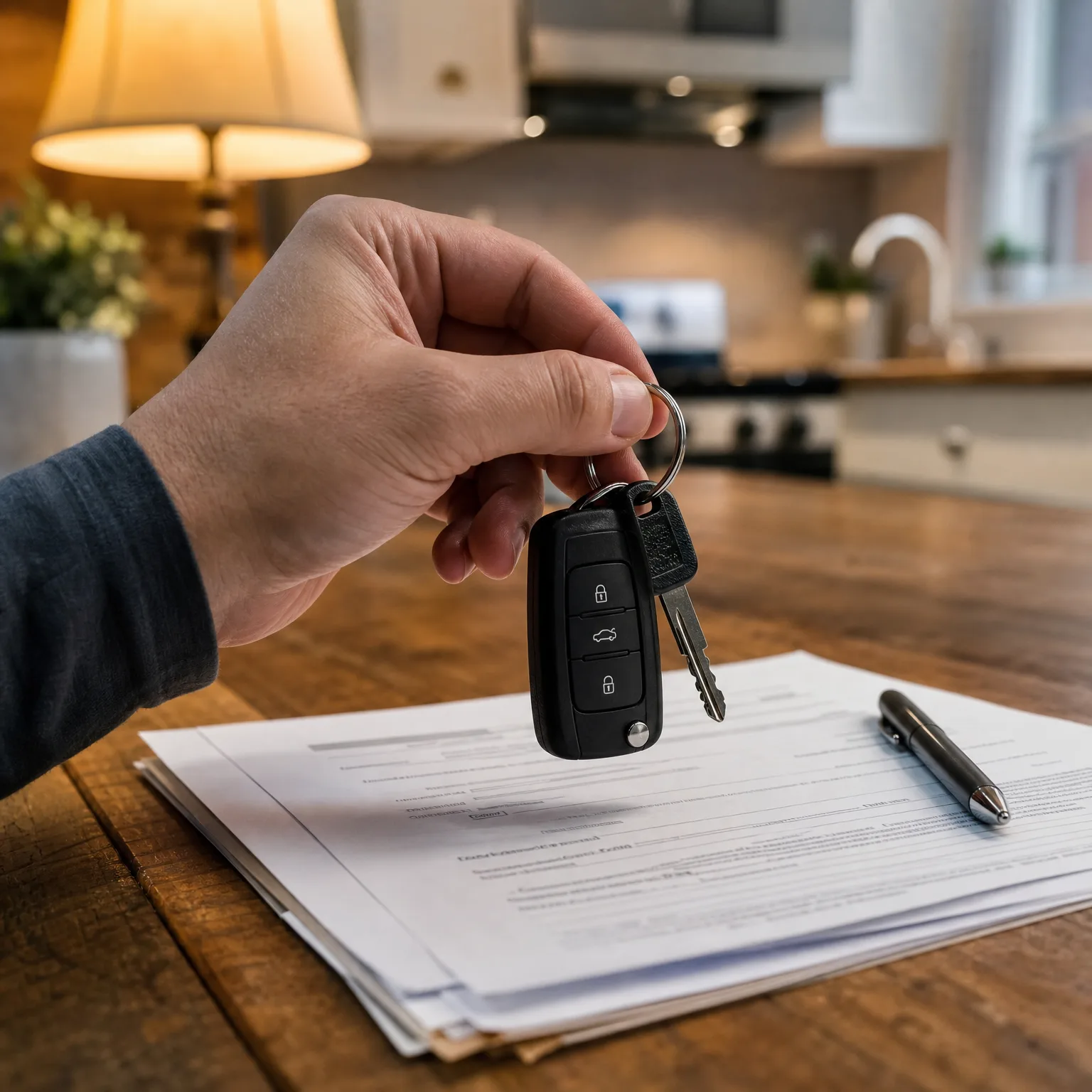
You drove your new car off the lot, and your existing auto policy extended coverage to it automatically. That grace period — typically 7 to 30 days depending on your carrier — is not a suggestion. It is the window you have to formally add the vehicle to your policy before coverage can be denied at claim time.
The multi-car discount you already receive on your first vehicle does not automatically adjust when you add a second or third car. You must report the new vehicle to your carrier, confirm it is titled correctly, and verify that the discount applied to the updated policy. Missing any of these steps can leave you paying full single-car rates on a multi-vehicle household.
“The multi-car discount only applies when every vehicle sits on the same policy — a car titled to someone outside your policy does not count.”

Put Every Car on One Better Policy
Get My Multi-Car Insurance Quote7–30 days
New Vehicle Grace Period
Most carriers extend automatic coverage to a newly purchased vehicle for 7 to 30 days from the purchase date. After that window closes, an unreported vehicle can be excluded from coverage if a claim is filed.
What Happens When You Add the Vehicle
Adding a car to your policy triggers a full re-rating of every vehicle on the policy, not just the new one. Your carrier recalculates the premium based on the combined risk of all vehicles, the drivers assigned to them, and the garaging address. The multi-car discount then applies to the total premium, reducing the per-vehicle cost below what each car would cost on a separate policy.
The discount only applies when every vehicle sits on the same policy. If the new car is titled to a household member who maintains a separate policy — a college student with their own coverage, a spouse who kept their old policy after marriage — the multi-car discount does not extend to that vehicle. The same-policy requirement is strict.
Some carriers also require that all vehicles share a garaging address. A car kept at a second home, a work location, or a college campus hundreds of miles away may not qualify for the same-policy discount even if it is titled to you. Verify your carrier's garaging rules before assuming the discount will apply.

The multi-car discount requires every vehicle on one policy and often a shared garaging address. A car titled to someone outside your policy does not count.




When the Discount Does Not Apply
A vehicle titled to someone who does not live in your household — a parent, an adult child who moved out, a business partner — cannot sit on your personal auto policy. The carrier will require that person to obtain their own coverage. You lose the multi-car discount on that vehicle because it is not on your policy.
A leased vehicle sometimes complicates the discount. The lessor may require specific coverage limits or loss-payee endorsements that your existing policy does not carry. If adding the leased car forces you to raise coverage limits across all vehicles on the policy, the total premium can increase even with the multi-car discount applied. Compare the post-addition premium to the cost of insuring the leased vehicle on a separate policy before committing.
Rarely-driven vehicles — a classic car, a project car, a seasonal RV — may not benefit from full coverage on your daily-driver policy. Some carriers offer storage or lay-up coverage that costs less than adding the vehicle to your active policy, even with the multi-car discount. If the vehicle sits unused for months at a time, ask your carrier about limited-use or storage options.
21 carriers
Multi-Vehicle Writers
At least 21 major carriers actively write multi-vehicle policies and offer multi-car discounts. Comparing quotes from carriers that specialize in multi-vehicle households often produces better total premiums than adding a car to a carrier that prices each vehicle individually.

Timing the Addition to Minimize Premium Jumps
Adding a vehicle mid-term triggers an immediate premium adjustment. The carrier calculates the pro-rated premium for the new car from the addition date to your next renewal, then bills you for that amount. If your renewal is only a few weeks away, consider whether waiting until renewal to add the car — and shopping other carriers at the same time — produces a better total premium than adding it now and paying two adjustments in quick succession.
If you are adding a high-value or high-performance vehicle, the premium jump can be significant even with the multi-car discount. Request a quote before finalizing the addition. Some carriers offer better rates on expensive or performance vehicles than others, and switching carriers for all your vehicles at renewal may cost less than adding the new car to your current policy.
Compare Carriers Before You Commit
The multi-car discount percentage varies widely by carrier. A smaller discount on a lower base rate often beats a larger discount on a higher one. When you add a vehicle, you are committing to that carrier's pricing structure for every car on the policy. If you have not compared carriers recently, adding a new vehicle is the moment to do it.
Request quotes from at least three carriers that write multi-vehicle policies. Provide the VIN, title details, and driver assignments for every vehicle you plan to insure. Compare the total annual premium across all cars, not the per-vehicle breakdown. The carrier with the best rate on your first car may not offer the best rate on a household with three or four vehicles. Use the site's comparison tool to see which carriers write your vehicle count and coverage profile, then request binding quotes from the top three.
Steps to Add the Vehicle and Lock the Discount
Contact your carrier within the grace period — ideally the same day you purchase the vehicle. Provide the VIN, make, model, year, and purchase date. The carrier will confirm that automatic coverage extended to the new car and begin the formal addition process. If you wait until after the grace period expires, the carrier can deny coverage for any incident that occurred before you reported the vehicle.
Confirm the title and registration details. If the car is titled to you, it belongs on your existing policy. If it is titled to a household member, ask whether that person must be listed as a driver on your policy or whether they need their own separate policy. Carriers handle household-member vehicles differently: some allow a spouse's car on your policy as long as the spouse is a listed driver, others require separate policies for separately-titled vehicles. Clarify this before assuming the discount applies.
Get Your Free Quote
Get My Multi-Car Insurance QuoteFrequently Asked Questions
How long do I have to add a new car to my insurance policy?
Most carriers give you 7 to 30 days from the purchase date to formally add a new vehicle to your existing policy. Automatic coverage extends during that grace period, but if you do not report the vehicle before the window closes, the carrier can deny coverage for any claim filed after the deadline.
Does adding a car to my policy automatically trigger the multi-car discount?
No. The multi-car discount applies only when every vehicle sits on the same policy and meets your carrier's garaging and title requirements. You must report the new vehicle, confirm it is titled correctly, and verify that the discount adjusted on your updated policy.
Can I add a car titled to someone else to my insurance policy?
It depends on your carrier and your relationship to that person. Most carriers allow you to add a spouse's car if the spouse is listed as a driver on your policy. A car titled to someone outside your household — a parent, an adult child who moved out — typically cannot sit on your personal auto policy.
Will my premium go up when I add another car?
Yes. Adding a vehicle triggers a full re-rating of every car on your policy. The total premium increases to reflect the combined risk of all vehicles, but the multi-car discount reduces the per-vehicle cost below what each car would cost on a separate policy.
Should I add a rarely-driven car to my multi-car policy?
Not always. A classic car, project car, or seasonal vehicle may cost less to insure under storage or limited-use coverage than adding it to your active policy, even with the multi-car discount. Ask your carrier about lay-up options before committing to full coverage on a rarely-driven vehicle.