
Multi-Car Insurance — South Carolina
Free to compare
When Adding a Vehicle Doesn't Trigger the Discount
You bought a second car, called your carrier to add it, and watched your premium climb higher than the quote suggested. The agent mentioned a multi-car discount, but the math doesn't match what you expected. This happens when the new vehicle doesn't meet the same-policy requirement carriers enforce.
South Carolina allows households to structure coverage across multiple vehicles, but the multi-car discount applies only when every car sits on one policy with the same garaging address. A vehicle titled to a household member on a separate policy, garaged at a different address, or registered out of state won't qualify. The discount exists, but the structural requirements are stricter than most drivers realize.
“The multi-car discount applies only when every car sits on one policy with the same garaging address.”

Put Every Car on One Better Policy
Get My Multi-Car Insurance Quote25/50/25
SC Minimum Liability Limits
$25,000 bodily injury per person, $50,000 per accident, $25,000 property damage. Every vehicle on your policy must carry at least these minimums. South Carolina also requires uninsured motorist coverage, which adds to the per-vehicle cost.
South Carolina Department of Insurance
What the Multi-Car Discount Actually Requires
The multi-car discount is not automatic when you own multiple vehicles. Carriers apply it only when every car is listed on the same policy, titled to people in the same household, and garaged at the same address. A second car titled solely to your spouse on their own policy does not count. A vehicle your college-age child drives at school, garaged at a different zip code, may not count.
South Carolina does not regulate how carriers structure the discount. Some apply it as a percentage off each vehicle's premium after the first. Others reduce the base rate when multiple vehicles appear on the policy. The mechanics vary by carrier, but the same-policy requirement is universal.
When you add a vehicle mid-term, the carrier re-rates the entire policy. The new premium reflects updated risk for every car, not just the one you added. If the second vehicle is higher-risk than the first, the combined premium can rise even with the discount applied. A teen driver's car, a sports sedan, or a vehicle with a lien requiring full coverage will all push the total higher.
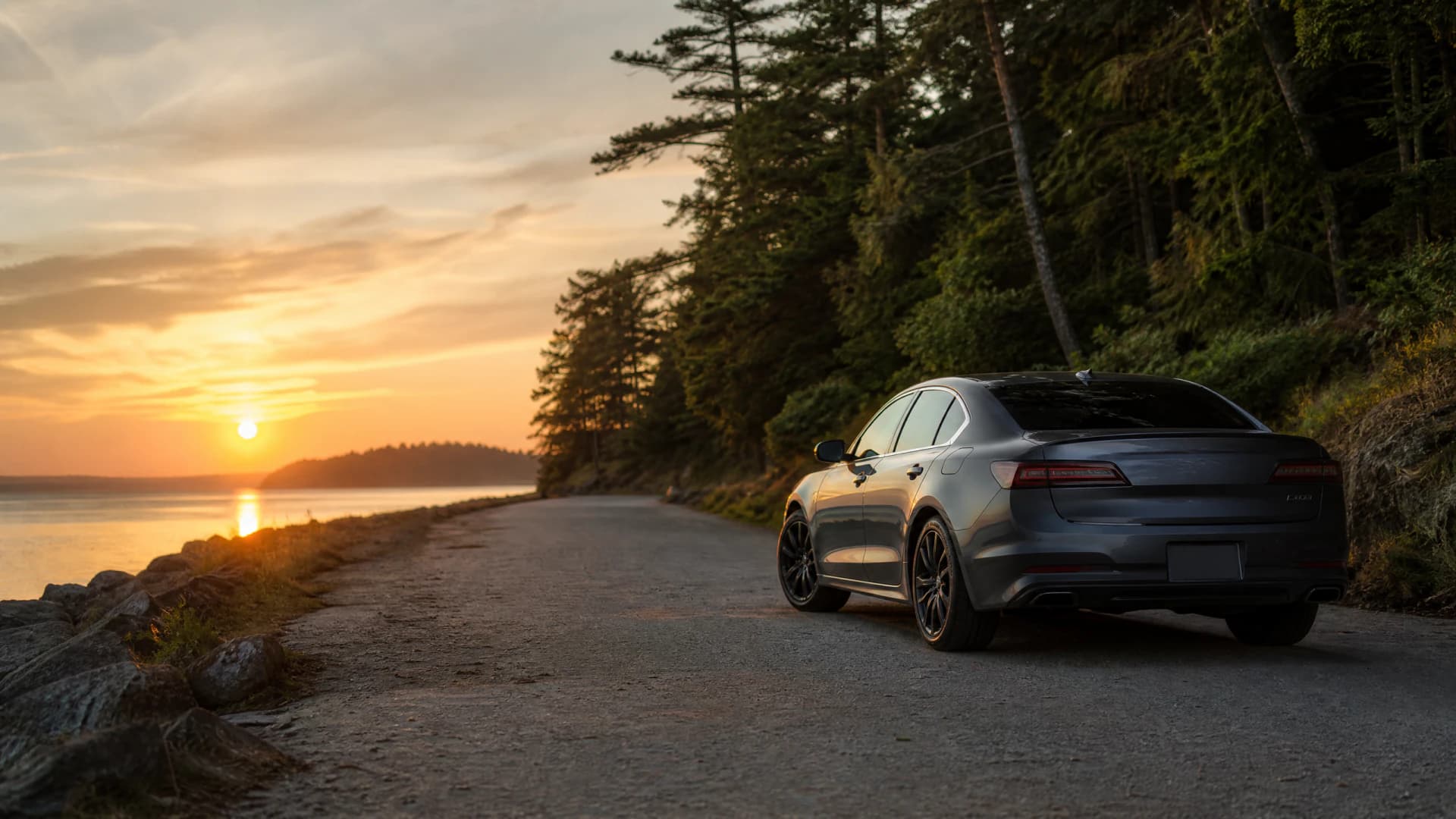
A vehicle titled to someone outside your household or garaged at a separate address will not qualify for the same-policy multi-car discount, even if you pay the premium.







Combining Policies After Marriage or a Household Change
Two separate policies can merge into one multi-car policy when household members marry, move in together, or consolidate coverage. South Carolina carriers allow this, but the combined premium is not always lower than the sum of the two original policies. The outcome depends on each driver's record, the vehicles involved, and how each carrier weights risk.
When you combine policies, the carrier treats both drivers as rated drivers on every vehicle. If one spouse has a clean record and the other has a recent at-fault accident, the higher-risk driver's record affects the premium for both cars. The multi-car discount applies, but it may not offset the increased risk from combining two driver profiles. Some households save by combining. Others pay more.
Request quotes from multiple carriers before merging policies. South Carolina has 21 carriers writing auto insurance in the state, and each weights household risk differently. A carrier that penalizes one driver's violation heavily may offer a larger multi-car discount. Another may rate the violation lightly but apply a smaller discount. The only way to know which structure costs less is to compare actual quotes with both vehicles on one policy.
$1,539
SC Average Annual Premium Per Vehicle
South Carolina drivers paid an average of $1,539.47 per insured vehicle in 2023. Multi-car policies spread fixed costs across more vehicles, which lowers the per-car average, but total household cost still rises with each vehicle added.
NAIC Auto Insurance Database Report 2023

When a Vehicle Doesn't Belong on the Family Policy
Not every household vehicle fits on one policy. A classic car driven fewer than 1,000 miles per year, a commercial vehicle used for business, or a car titled to a household member who maintains their own residence may require separate coverage. South Carolina allows multiple policies within one household, but splitting coverage means losing the multi-car discount on the separated vehicle.
A college student's car garaged at school in another state creates a garaging-address mismatch. Some carriers allow the vehicle to stay on the parent's South Carolina policy with a different garaging zip code. Others require the student to carry their own policy in the state where the car is garaged. The same-policy discount does not apply when the vehicles are registered in different states, even if the same household owns both.
Compare Carriers That Write Multi-Vehicle Policies in South Carolina
South Carolina's carrier roster includes 21 companies writing auto insurance in the state. Not all offer competitive multi-car pricing. Carriers that specialize in high-volume household policies often price multiple vehicles lower than carriers focused on single-car preferred risks. Geico, Progressive, State Farm, and Allstate all write multi-vehicle policies in South Carolina and maintain online quoting tools that let you model different vehicle combinations.
Request quotes with every vehicle you plan to insure listed on the same policy, garaged at the same address, and titled to household members. Compare the total premium across carriers, not just the per-vehicle breakdown. The carrier offering the lowest rate on your first car may not offer the lowest rate when you add a second or third. Multi-car pricing is policy-level, not vehicle-level. The structure that saves you the most becomes clear only when you compare the full household cost across multiple carriers.
How South Carolina's Coverage Rules Affect Multi-Vehicle Policies
Uninsured motorist coverage in South Carolina must match your liability limits unless you reject it in writing. When you add a second or third vehicle, the carrier recalculates uninsured motorist premiums for the entire policy. This is separate from the multi-car discount and applies whether you insure one car or five. The 10.3% uninsured rate means one in ten drivers on South Carolina roads carries no insurance, which is why carriers price this coverage higher here than in states with lower uninsured rates.
South Carolina is an at-fault state. If another driver causes an accident, their liability insurance pays your claim. But if that driver is uninsured or underinsured, your uninsured motorist coverage steps in. Multi-vehicle households face higher exposure because more cars mean more trips, more drivers, and more opportunities for an uninsured driver to hit one of your vehicles. Carriers account for this when pricing policies with multiple cars.
Get Your Free Quote
Get My Multi-Car Insurance QuoteFrequently Asked Questions
Does South Carolina require the same insurance on every car in a multi-vehicle household?
South Carolina requires every vehicle to carry at least 25/50/25 liability and uninsured motorist coverage. You can add collision or comprehensive to individual vehicles based on their value and lien requirements. The state does not require identical coverage on every car, but the multi-car discount applies only when all vehicles sit on the same policy.
Can I insure two cars on one policy if they are titled to different people?
Yes, if both people live in the same household and the vehicles are garaged at the same address. South Carolina carriers allow spouses, domestic partners, and household members to share one policy. A vehicle titled to someone outside your household or garaged elsewhere will not qualify for the same-policy multi-car discount.
How much does adding a second car increase my South Carolina auto insurance premium?
The increase depends on the second vehicle's make, model, year, how it's used, and whether it requires full coverage. The multi-car discount reduces the per-vehicle cost, but total household premium still rises. South Carolina's required uninsured motorist coverage adds to the cost of every vehicle on the policy.
Do I need to notify my carrier immediately when I buy a second car in South Carolina?
Most South Carolina carriers provide a grace period of 14 to 30 days to add a newly purchased vehicle to your existing policy. Coverage during the grace period typically matches your current policy's limits. Missing the window can leave the new vehicle uninsured, and a claim on an unreported car may be denied.
Can I get the multi-car discount if one vehicle is garaged at a different address?
Most carriers require all vehicles on a multi-car policy to be garaged at the same address. A car garaged at a second home, a college student's dorm, or a different household member's residence may not qualify. Some carriers allow exceptions for students temporarily away at school, but the discount structure varies by carrier.
What happens to my multi-car discount if I remove a vehicle from the policy?
Removing a vehicle mid-term triggers a policy re-rating. If you drop from three cars to two, you keep the multi-car discount but lose the per-vehicle savings the third car provided. Dropping from two cars to one eliminates the discount entirely, and your premium for the remaining vehicle will reflect single-car pricing.