
Cheapest Multi-Car Insurance — Oregon
Free to compare
Why Multi-Car Quotes Vary More Than Single-Car Quotes
You're getting quotes for two or more vehicles in Oregon and the spread between carriers is wider than you expected. One carrier quotes a combined premium hundreds of dollars lower than another, even though both advertise multi-car discounts. The confusion comes from how carriers structure their base rates and apply discounts across multiple vehicles on the same policy.
Oregon requires every vehicle on a multi-car policy to carry at least $25,000 per person and $50,000 per accident in bodily injury liability, plus $20,000 in property damage, along with personal injury protection and uninsured motorist coverage. Those minimums apply per vehicle, but the way carriers price them across a household varies significantly. A carrier with a lower base rate and a modest multi-car discount can deliver a lower combined premium than a carrier with a higher base rate and a larger advertised discount.
“A smaller discount on a lower base rate beats a larger discount on a higher one.”

Put Every Car on One Better Policy
Get My Multi-Car Insurance Quote25 carriers
Oregon Multi-Car Roster
Twenty-five carriers write multi-vehicle policies statewide, including State Farm, Geico, Progressive, Allstate, and Farmers. Not all carriers quote the same household the same way, and base rate differences outweigh discount percentages when comparing final premiums.
Oregon Insurance Division carrier roster, 2025
Base Rate Beats Discount Percentage
The multi-car discount applies to each vehicle after the carrier calculates its base rate for that vehicle. A carrier that starts with a lower base rate for your household's driver profile, vehicle types, and garaging zip code will often produce a lower combined premium even if its multi-car discount is smaller than a competitor's. A smaller discount on a lower base rate beats a larger discount on a higher one.
Oregon households with multiple vehicles should compare the final quoted premium for all vehicles combined, not the advertised discount percentage. Carriers set base rates using different underwriting models, and those models weigh factors like driver age, vehicle year, and garaging location differently. A carrier that prices your household favorably on the base rate will usually win on total cost.
The multi-car discount itself requires every vehicle to sit on the same policy. If one vehicle is titled to a household member on a separate policy, or if a vehicle is garaged at a different address and listed on its own policy, the discount does not apply to that vehicle. Oregon carriers verify garaging addresses and policy structure before applying the discount.
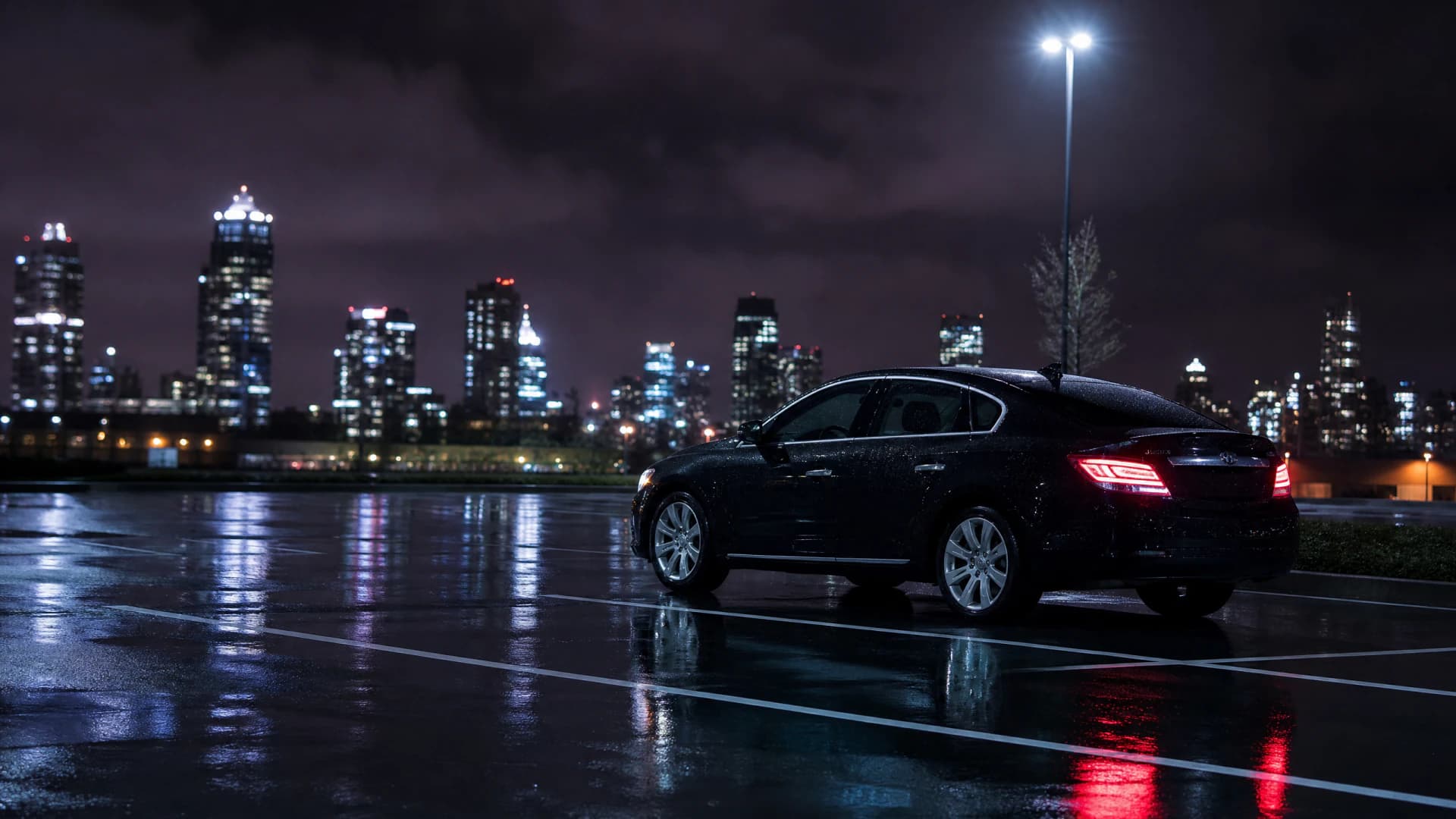
The advertised multi-car discount percentage does not predict your final premium. Base rate differences between carriers outweigh discount size for most Oregon households.






Which Oregon Carriers Write the Lowest Multi-Car Rates
State Farm, Geico, Progressive, and USAA consistently quote competitive multi-car premiums for Oregon households, but the lowest carrier for your household depends on your specific driver profile and vehicle mix. State Farm and USAA typically deliver lower base rates for households with clean driving records and newer vehicles. Progressive and Geico often quote lower for households with older vehicles or drivers under 25.
Farmers, Allstate, and Nationwide write multi-car policies statewide and may quote lower for households that bundle home or renters insurance with auto. The bundling discount stacks on top of the multi-car discount, and for some households the combined discount offsets a higher base rate. American Family and Country Financial write in Oregon and may quote competitively for rural households or households with farm vehicles.
Non-standard carriers including Bristol West, Dairyland, Infinity, Kemper, National General, and The General write multi-car policies for Oregon households with recent violations or lapses in coverage. These carriers typically charge higher base rates than standard carriers, but their multi-car discounts apply the same way. If your household includes a driver with a recent DUI or suspended license, comparing non-standard carriers side by side often reveals a lower combined premium than adding that driver to a standard carrier's policy.
$98/mo
Oregon Average Auto Premium
The average Oregon driver pays approximately $98 per month for auto insurance, but multi-car households pay a different combined rate depending on vehicle count, driver ages, and coverage selections. Households with two vehicles typically pay less per vehicle than the single-car average due to the multi-car discount.
NAIC Auto Insurance Database Report, 2023

When Adding a Vehicle Changes Your Rate Structure
Adding a vehicle to an existing Oregon policy re-rates the entire policy, not just the new vehicle. The carrier recalculates the multi-car discount across all vehicles and adjusts the base rate for the household. If the new vehicle is newer or more expensive to insure than your existing vehicles, the combined premium increase will be larger than the cost of insuring that vehicle alone on a separate policy.
Oregon carriers typically provide a grace period of 14 to 30 days to report a newly purchased or acquired vehicle. During that grace period, the vehicle is covered under your existing policy's liability limits, but collision and comprehensive coverage do not automatically extend to the new vehicle unless you notify the carrier and add those coverages. Missing the grace period can result in a coverage gap, and a claim on an unreported vehicle may be denied.
Compare Carriers That Write Your Household
The lowest multi-car premium for your Oregon household comes from comparing final quoted premiums across carriers that write your specific driver and vehicle profile. Request quotes from at least three standard carriers and, if your household includes a driver with violations, at least two non-standard carriers. Provide identical coverage limits and deductibles to every carrier so the quotes are comparable.
Use a comparison tool that pulls quotes from multiple carriers simultaneously, or contact carriers directly and request multi-car quotes with all household vehicles and drivers included. Verify that every quote applies the multi-car discount and that all vehicles are listed on the same policy at the same garaging address. The carrier with the lowest combined premium for your household is the cheapest multi-car option, regardless of advertised discount percentages.
How to Compare Multi-Car Quotes in Oregon
Start by gathering the VIN, year, make, and model for every vehicle you want to insure. Carriers need the garaging address for each vehicle, and that address must match for all vehicles if you want the multi-car discount. Provide the name, date of birth, and license number for every driver in the household who will operate any of the vehicles. Oregon carriers ask whether each driver is the primary operator of a specific vehicle or a secondary driver across multiple vehicles.
Request quotes for the same coverage limits across all carriers. Oregon's minimum liability limits are $25,000/$50,000/$20,000, but many households carry higher limits or add collision and comprehensive coverage. If you quote one carrier with state minimums and another with $100,000/$300,000/$100,000 limits, the premiums are not comparable. Specify the same deductible choices for collision and comprehensive on every vehicle when requesting quotes.
Get Your Free Quote
Get My Multi-Car Insurance QuoteFrequently Asked Questions
Does Oregon require a multi-car discount?
Oregon does not require carriers to offer a multi-car discount, but most carriers writing in the state provide one. The discount applies when two or more vehicles are insured on the same policy at the same garaging address. Discount amounts vary by carrier and are not regulated by the state.
Can I insure two cars with different carriers in Oregon?
Yes, you can insure vehicles with different carriers, but you will not receive a multi-car discount unless all vehicles are on the same policy with the same carrier. Splitting vehicles across carriers may result in a higher combined premium than insuring all vehicles with one carrier that offers a multi-car discount.
How much does adding a second car to my Oregon policy cost?
Adding a second car re-rates your entire policy and applies the multi-car discount to both vehicles. The increase depends on the new vehicle's year, make, model, and the coverage you select. Most Oregon households see a lower per-vehicle cost after adding a second car due to the discount.
Do all Oregon carriers offer the same multi-car discount?
No. Multi-car discount amounts vary by carrier, and some carriers apply the discount differently depending on the number of vehicles or the household's driver profile. Comparing final quoted premiums across carriers is more reliable than comparing advertised discount percentages.
What happens if I add a vehicle mid-term in Oregon?
Oregon carriers re-rate your policy when you add a vehicle mid-term and charge a prorated premium for the remainder of the policy term. The multi-car discount applies to all vehicles on the policy immediately. You must report the new vehicle within the carrier's grace period, typically 14 to 30 days, to maintain coverage.