
Cheapest Multi-Car Insurance — Nebraska
Free to compare
Finding the Lowest Combined Premium for Multiple Vehicles
You own two or more vehicles in Nebraska and you're trying to identify which carrier writes the lowest combined premium for your household. The challenge: every carrier structures its multi-vehicle discount differently, and the lowest rate for a single car rarely translates to the lowest rate for three cars on one policy.
Nebraska's mandatory coverage floor — $25,000 bodily injury per person, $50,000 per accident, $25,000 property damage, plus required uninsured motorist coverage — applies to every vehicle on your policy. The combined premium depends on how each carrier prices that floor across multiple vehicles, not just the discount percentage they advertise.
“A smaller discount on a lower base rate beats a larger discount on a higher base rate once you add a third or fourth vehicle.”

Put Every Car on One Better Policy
Get My Multi-Car Insurance Quote$82/mo
Nebraska Average Premium
The NAIC Auto Insurance Database Report 2023 places Nebraska's average monthly auto insurance expenditure at $82 per insured vehicle. Your multi-vehicle household's combined premium depends on how many cars you insure and how each carrier structures its multi-vehicle discount.
NAIC Auto Insurance Database Report 2023
How Multi-Vehicle Discounts Actually Work in Nebraska
The multi-vehicle discount requires every car to sit on the same policy. You cannot combine vehicles across separate policies and expect the discount to apply. Most carriers also require that all vehicles garage at the same address, though some allow exceptions for college students or deployed military members.
The discount applies to the policy premium, not to each vehicle individually. When you add a third car, the carrier re-rates the entire policy — it does not simply tack on a flat amount for the new vehicle. This means a carrier with a lower base rate and a smaller discount can beat a carrier with a higher base rate and a larger discount once you cross three or four vehicles.
Nebraska's 20-carrier roster includes national writers like GEICO, Progressive, State Farm, and Allstate, plus regional carriers like Auto-Owners and Shelter. Each structures its multi-vehicle pricing differently. Comparing quotes across at least three carriers is the only way to identify which one writes the lowest combined premium for your specific household.
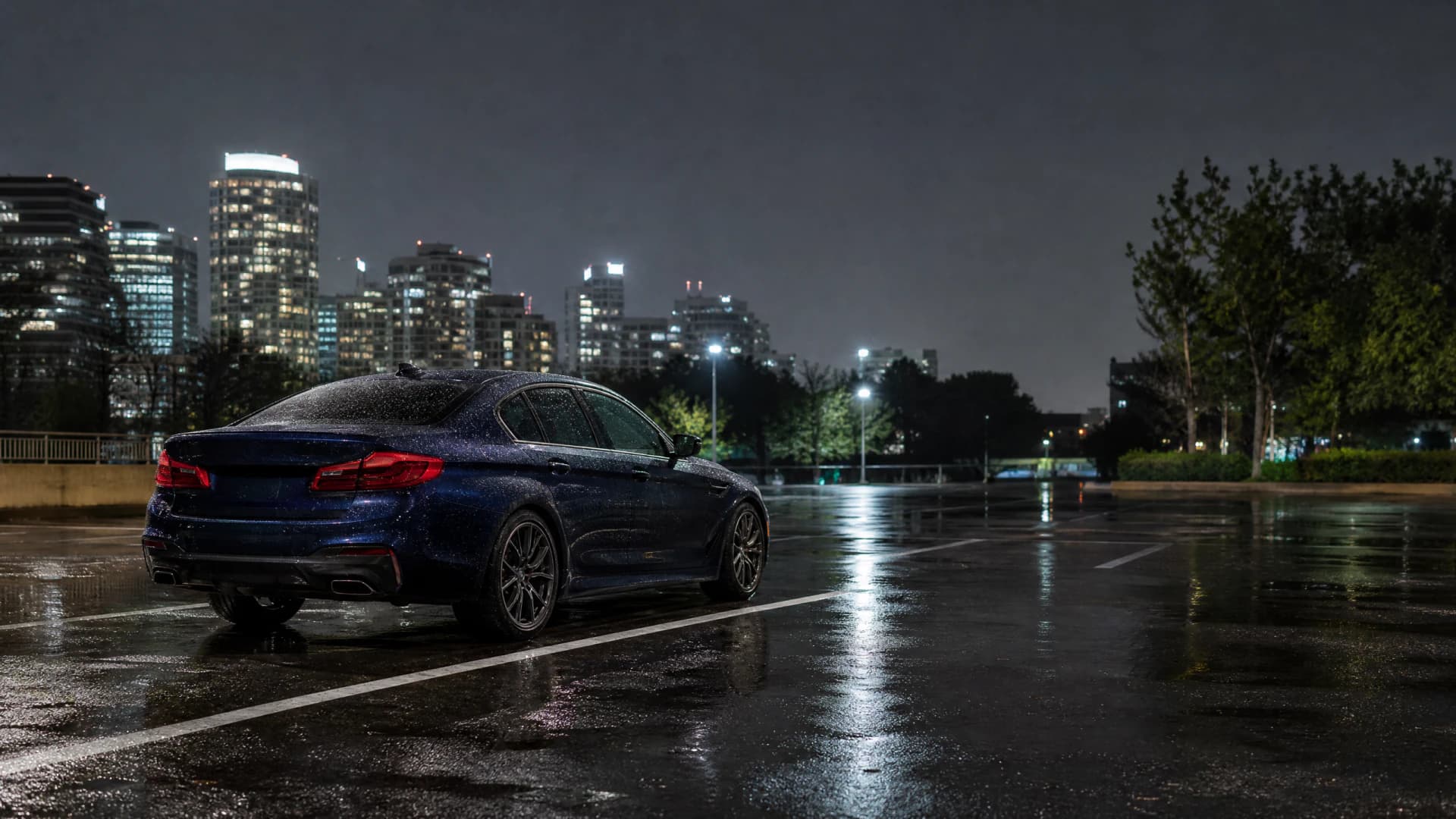
A smaller discount on a lower base rate beats a larger discount on a higher base rate once you add a third or fourth vehicle to the policy.





Comparing Carriers That Write Multi-Vehicle Policies in Nebraska
Start by requesting quotes from at least three carriers in Nebraska's 20-carrier roster. Provide identical coverage selections — same liability limits, same deductibles, same optional coverages — so you compare apples to apples. The combined premium is what matters, not the per-vehicle breakdown.
Some carriers offer lower rates for households with newer vehicles or clean driving records across all drivers. Others price more competitively for mixed-age households or households with one high-risk driver and several low-risk drivers. The only way to know which carrier writes the lowest combined premium for your specific household is to compare actual quotes.
Request quotes for the same coverage tier across all carriers. If you're comparing full coverage (liability plus collision and comprehensive), make sure every quote includes collision and comprehensive with the same deductibles. If you're comparing liability-only policies, make sure no quote includes optional coverages the others omit.
20 carriers
Nebraska Multi-Vehicle Roster
Nebraska's carrier roster includes 20 insurers writing multi-vehicle policies statewide. The roster includes national carriers like GEICO, Progressive, State Farm, and Allstate, plus regional writers like Auto-Owners and Shelter. Comparing quotes across at least three carriers identifies which one structures its multi-vehicle discount most favorably for your household's vehicle count and driver mix.
Nebraska Department of Insurance licensure data

When to Raise Liability Limits Above State Minimums
Nebraska's $25,000/$50,000/$25,000 minimums are low. A single serious injury in an at-fault accident can exceed $25,000 in medical bills alone. If you own a home, have significant savings, or earn a high income, raising your liability limits to $100,000/$300,000/$100,000 or higher protects those assets from a lawsuit after an at-fault accident.
Raising liability limits costs less than most drivers expect. The incremental premium difference between state minimums and $100,000/$300,000/$100,000 is often smaller than the cost of adding collision coverage to one vehicle. Request quotes at both limit levels to see the actual cost difference for your household.
Compare Carriers Writing Your Household's Vehicle Count
The lowest combined premium for your household depends on how many vehicles you insure, the coverage tier you select, and how each carrier structures its multi-vehicle discount. Request quotes from at least three Nebraska carriers with identical coverage selections. The combined premium is the only number that matters — ignore per-vehicle breakdowns and advertised discount percentages. Compare the total annual or monthly cost across all vehicles, then choose the carrier that writes the lowest combined premium for the coverage tier your household needs.
State Minimum Coverage Requirements Across All Vehicles
Nebraska requires $25,000 bodily injury liability per person, $50,000 per accident, and $25,000 property damage liability. These limits apply per vehicle, not per policy. If you own three cars, each must carry at least these minimums. Uninsured motorist coverage is also mandatory and must match your bodily injury limits unless you reject it in writing.
The $25,000 per-person limit covers medical bills, lost wages, and pain-and-suffering damages for one injured person in an at-fault accident you cause. The $50,000 per-accident limit is the total available for all injured people combined. The $25,000 property damage limit covers the other driver's vehicle and any property you damage. If your at-fault accident produces injuries or property damage exceeding these limits, you pay the difference out of pocket.
Get Your Free Quote
Get My Multi-Car Insurance QuoteFrequently Asked Questions
Does Nebraska require the same coverage on every vehicle on a multi-car policy?
Nebraska requires every vehicle to carry at least $25,000/$50,000/$25,000 liability plus uninsured motorist coverage. You can add collision and comprehensive to some vehicles and not others, but every vehicle must meet the state's mandatory minimums.
Can I insure vehicles garaged at different addresses on one Nebraska policy?
Most carriers require all vehicles on a multi-car policy to garage at the same address. Some allow exceptions for college students or deployed military members, but you must disclose the garaging address for each vehicle when you request a quote.
How does adding a third vehicle change my Nebraska multi-car premium?
Adding a third vehicle re-rates your entire policy. The carrier recalculates the combined premium based on all three vehicles, not just the new one. The total increase depends on the new vehicle's year, make, model, and how the carrier structures its multi-vehicle discount.
Do I need uninsured motorist coverage on every vehicle in Nebraska?
Yes. Nebraska requires uninsured motorist coverage on every vehicle unless you reject it in writing. The coverage must match your bodily injury liability limits. Most carriers include it automatically when you request a quote.
Which Nebraska carriers write the lowest multi-vehicle rates?
The lowest combined premium depends on your household's vehicle count, driver mix, and coverage selections. GEICO, Progressive, State Farm, Allstate, Auto-Owners, and Shelter all write multi-vehicle policies in Nebraska, but which one writes the lowest rate for your household varies. Compare quotes from at least three carriers.