
Cheapest Multi-Car Insurance — Missouri
Free to compare
The Multi-Car Discount Requires One Policy
You bought a second car, called your carrier to add it, and expected your premium to drop because you now qualify for the multi-car discount. Instead, your premium jumped more than you anticipated, or the discount didn't appear at all. The structural reality: Missouri's multi-car discount applies only when every vehicle in your household sits on the same policy, garaged at the same address, and titled to the same household members covered by that policy.
If your spouse's car is on a separate policy, if one vehicle is titled to a household member not listed on your policy, or if a car is garaged at a different address, the discount doesn't apply. The carrier doesn't combine policies automatically. You have to restructure coverage intentionally, and that restructuring re-rates every vehicle on the new combined policy, not just the one you're adding.
“The multi-car discount applies to the policy, not to individual vehicles — every car must sit on the same policy at the same address.”

Put Every Car on One Better Policy
Get My Multi-Car Insurance Quote$25,000 / $50,000 / $25,000
Missouri Minimum Liability Limits
Missouri requires $25,000 bodily injury per person, $50,000 per accident, and $25,000 property damage. Every vehicle on your multi-car policy must meet these minimums at minimum. Uninsured motorist coverage is also required.
Missouri Department of Revenue
What Blocks the Multi-Car Discount
The discount applies to the policy, not to individual vehicles. When you add a second car to an existing policy, the carrier re-rates the entire policy based on the new vehicle count, the drivers assigned to each vehicle, and the garaging address. If the second vehicle is titled to someone outside your household, garaged at a different address, or covered by a separate policy in someone else's name, it doesn't count toward your multi-vehicle discount.
Missouri carriers writing multi-car coverage typically require that every vehicle be garaged at the same address and that every driver in the household be listed on the policy or explicitly excluded. A college student's car garaged at school in another city may not qualify. A vehicle titled to an adult child living elsewhere definitely won't. The same-policy requirement is strict.
The second structural blocker: combining two existing policies after marriage or a household move re-rates both policies from scratch. The combined premium isn't the sum of the two old premiums minus a discount. It's a new policy priced on the combined household risk profile, which can be higher or lower depending on driving records, vehicle types, and coverage selections.

If one vehicle is titled to a household member not on your policy, or garaged at a different address, the multi-car discount won't apply until you restructure the policy.


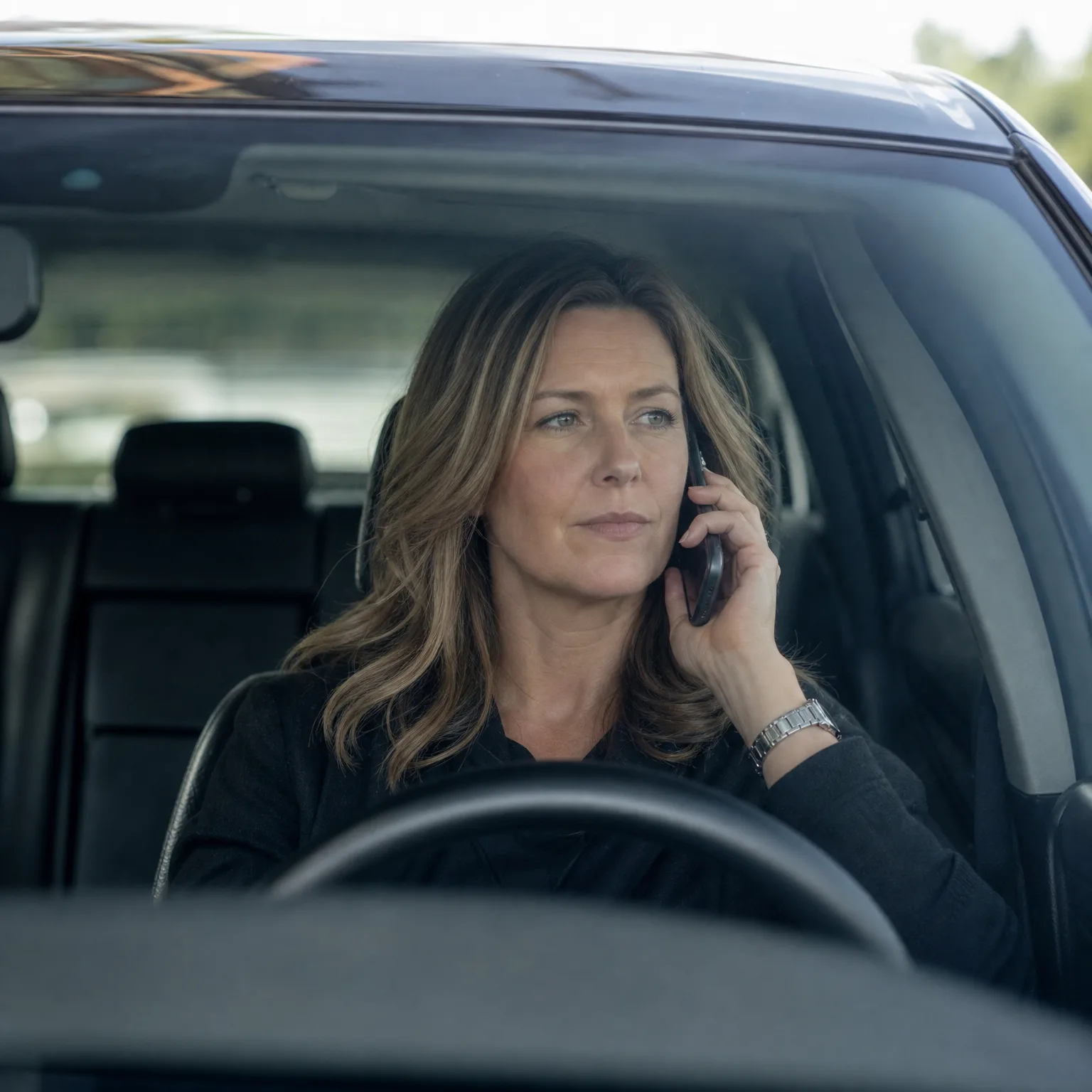
Adding a Vehicle Mid-Term Re-Rates the Policy
When you add a vehicle to an existing policy mid-term, the carrier doesn't simply tack on a prorated premium for the new car. The entire policy re-rates based on the new vehicle count, the drivers assigned to each vehicle, and the coverage selections for every car. If the new vehicle is newer or more expensive than your existing cars, collision and comprehensive premiums rise across the policy. If the new vehicle is assigned to a young driver, liability premiums jump.
Missouri carriers typically give you a grace period to report a newly-purchased vehicle, usually 14 to 30 days depending on the carrier. During that window, the new vehicle is covered under your existing policy's liability limits, but collision and comprehensive don't apply until you formally add the car and select coverage. If you wait past the grace period and have an accident, the carrier can deny the claim for the unreported vehicle.
The consequence: if you buy a second or third car and don't report it within the carrier's window, you're driving uninsured for collision and comprehensive, and you may lose the multi-car discount retroactively if the carrier discovers the unreported vehicle later. Report the vehicle immediately, even if you're still deciding on coverage levels.
20.7%
Missouri Uninsured Motorist Rate
One in five Missouri drivers is uninsured. Uninsured motorist coverage is required in Missouri, and it's especially important on a multi-car policy where one accident can affect multiple vehicles and drivers.
Insurance Information Institute, 2023

Comparing Carriers for Multi-Vehicle Coverage
The cheapest multi-car policy depends on your household's specific risk profile: how many vehicles, how many drivers, what coverage levels, and where the cars are garaged. A household with three vehicles, two experienced drivers, and full coverage in St. Louis will get different quotes than a household with two vehicles, one young driver, and minimum liability in Springfield. The only way to find the cheapest policy is to compare quotes from multiple carriers writing your household's vehicle count and driver profile.
Start with carriers that write multi-vehicle policies in Missouri and accept your household's risk profile. If every driver has a clean record, quote preferred-tier carriers like State Farm, Auto-Owners, and Amica first. If one driver has a violation or lapse, add standard-tier carriers like Geico, Progressive, and Farmers. If one driver has a DUI or suspended license, quote non-standard carriers like Bristol West, Dairyland, and The General. The multi-car discount only matters if the carrier will write your entire household on one policy.
What to Do Right Now
List every vehicle in your household, every driver, and the garaging address for each car. If any vehicle is on a separate policy, titled to someone outside the household, or garaged at a different address, decide whether you can restructure to meet the same-policy requirement. If you can, request quotes from carriers writing multi-vehicle coverage in Missouri for your entire household as one policy. If you can't, you'll need separate policies and won't qualify for the multi-car discount.
Compare quotes based on total household premium, not per-vehicle cost. A carrier offering a smaller discount on a lower base rate can beat a carrier advertising a larger discount on a higher base. Request quotes with identical coverage levels across carriers so you're comparing the same liability limits, deductibles, and uninsured motorist coverage. Missouri requires $25,000 per person and $50,000 per accident in bodily injury liability, plus $25,000 property damage and uninsured motorist coverage, but many households carry higher limits to protect assets across multiple vehicles.
How Missouri Carriers Structure Multi-Vehicle Policies
Carriers like State Farm, Geico, Progressive, and Allstate all write multi-vehicle policies in Missouri and advertise multi-car discounts, but the discount mechanism varies. Some carriers discount the second vehicle more heavily than the third or fourth; others apply a flat percentage across all vehicles once you hit two. The discount is always conditional on the same-policy, same-address requirement. If you're combining policies after marriage, expect the carrier to re-rate every vehicle, every driver, and every coverage selection as a new household risk.
The carrier roster in Missouri includes preferred-tier carriers like Auto-Owners and Amica, standard-tier carriers like Farmers and Nationwide, and non-standard carriers like Bristol West and Dairyland. Non-standard carriers typically offer smaller multi-car discounts but accept drivers with violations or lapses that preferred carriers won't write. If one driver in your household has a DUI or suspended license, the entire household may need to move to a non-standard carrier to keep every vehicle on one policy.
Get Your Free Quote
Get My Multi-Car Insurance QuoteFrequently Asked Questions
Does Missouri require the same coverage on every vehicle in a multi-car policy?
No. Missouri requires every vehicle to meet the state minimum liability limits, but you can select different collision and comprehensive coverage levels for each vehicle. A newer car might carry a lower deductible; an older car might drop collision entirely.
Can I get the multi-car discount if one vehicle is titled to my spouse?
Yes, as long as your spouse is listed on the same policy and the vehicle is garaged at the same address. The discount requires every vehicle to sit on one policy, but vehicles can be titled to different household members as long as all are named insureds on that policy.
What happens if I add a third vehicle mid-term to my Missouri policy?
The carrier re-rates the entire policy based on the new vehicle count, the drivers assigned to each car, and the coverage selections. You'll receive a revised premium for the remainder of the term, prorated from the date you add the vehicle.
Do all Missouri carriers offer the same multi-car discount?
No. Discount percentages and structures vary by carrier. Some apply a percentage reduction to every vehicle after the first; others reduce the base rate across the policy. The only way to compare is to request quotes from multiple carriers for your entire household.
Can I insure two cars on one policy if they're garaged at different addresses in Missouri?
Most carriers require every vehicle on a multi-car policy to be garaged at the same address. If one car is garaged elsewhere, you'll typically need separate policies, and the multi-car discount won't apply.
How long do I have to report a newly-purchased vehicle to my Missouri carrier?
Grace periods vary by carrier, typically 14 to 30 days. During that window, liability coverage extends to the new vehicle, but collision and comprehensive don't apply until you formally add the car and select coverage.