
Multi-Car Insurance for Safe Drivers
Free to compare
The Safe-Driver Multi-Car Pricing Gap
You have maintained a clean driving record for years. No accidents, no tickets, no claims. You own three vehicles: two daily drivers and one that sits in the garage except for weekend errands. When you shop for multi-car insurance, carriers quote you a premium that treats all three vehicles as equal risk exposures—despite the fact that one car logs 15,000 miles annually while another logs 2,000.
This is the structural gap safe-driver households face when insuring multiple vehicles. The multi-car discount reduces your per-vehicle cost, but the base premium calculation still assumes every car on the policy carries the same liability exposure. Carriers that tier safe-driver benefits across vehicle usage patterns exist, but most households never compare them because the standard quote process does not surface the distinction.
“A carrier that tiers mileage can save you more than the multi-car discount itself on a rarely-driven vehicle.”

Put Every Car on One Better Policy
Get My Multi-Car Insurance Quote$61–$120/mo
National Average Premium Range
General drivers without violations pay between $61.38 and $119.87 per month for auto insurance nationally. Multi-vehicle policies apply the multi-car discount to this base, but the discount percentage varies significantly by carrier and household structure.
NAIC 2023 Auto Insurance Database (Average Premium Supplement)
How Carriers Price Multi-Vehicle Policies for Safe Drivers
The multi-car discount applies when you insure two or more vehicles on the same policy. Most carriers require every vehicle to be garaged at the same address and titled to household members. The discount typically reduces the per-vehicle premium by a percentage, but that percentage is applied after the base premium is calculated for each car.
Here is the structural reality: the base premium for each vehicle reflects the car's year, make, model, garaging ZIP code, and coverage selections—but not necessarily how much you drive it. Some carriers allow you to declare annual mileage per vehicle and adjust the premium accordingly. Others price every car on the policy as if it is a primary vehicle, regardless of actual usage.
Safe drivers with clean records qualify for additional discounts: safe-driver discounts, claim-free discounts, and loyalty discounts. These stack on top of the multi-car discount. But the order of operations matters. A carrier that applies the safe-driver discount before calculating the multi-car discount produces a different final premium than one that applies them in reverse order. Most quote tools do not show you this calculation sequence.
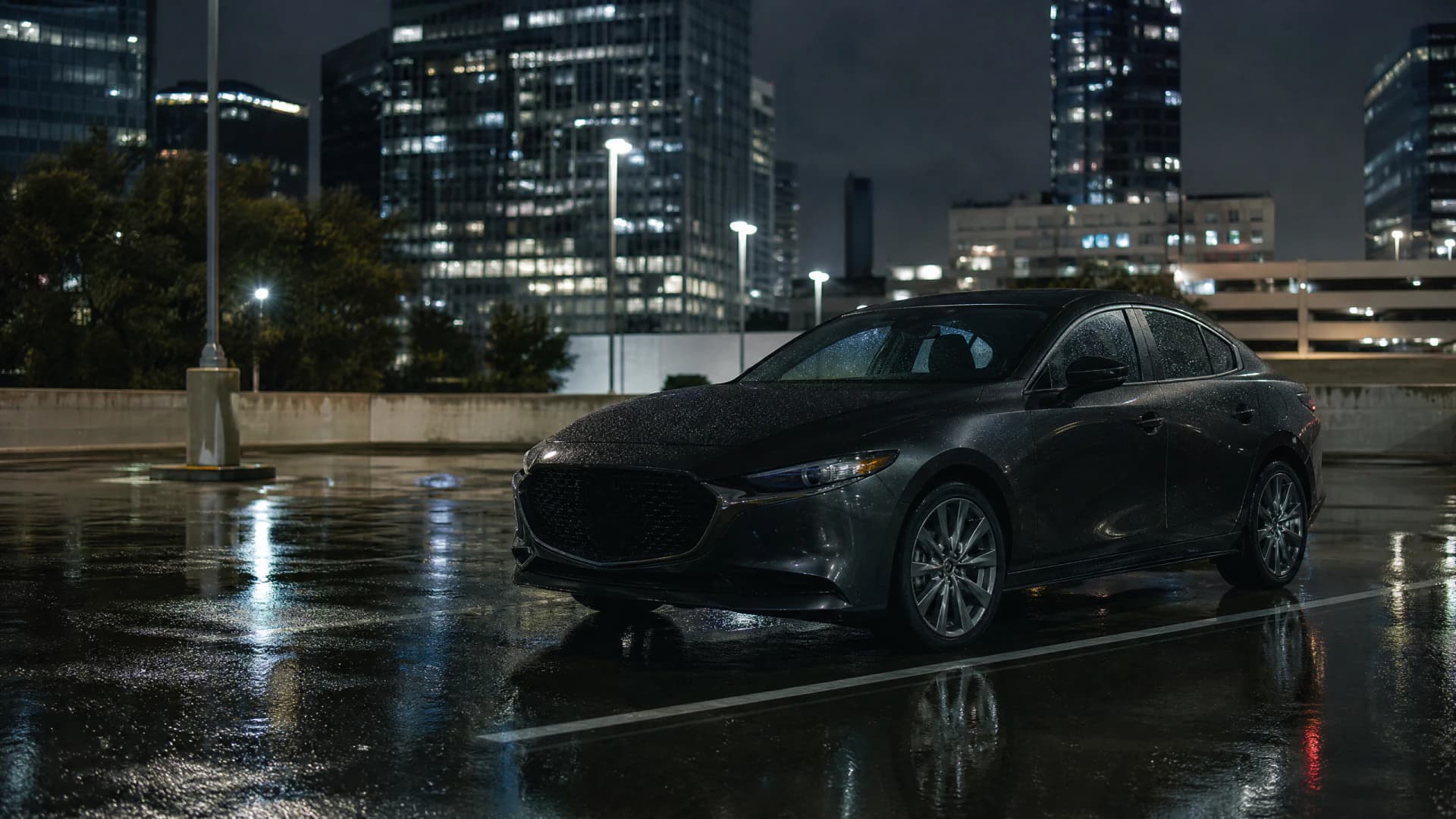
The multi-car discount lowers your per-vehicle cost, but if the carrier prices every car as a primary vehicle, you overpay for the one that sits idle most weeks.







Coverage Structure for Multiple Vehicles
Every vehicle on your policy must carry the state minimum liability coverage at a minimum. Most states require bodily injury liability per person between $15,000 and $50,000, bodily injury per accident between $30,000 and $100,000, and property damage liability between $5,000 and $50,000. Safe-driver households often carry higher limits because the incremental cost is low and the protection gap between state minimums and actual accident costs is substantial.
Collision and comprehensive coverage are optional unless you finance or lease the vehicle. For a rarely-driven car with low market value, dropping collision can reduce your premium significantly. For primary vehicles or financed cars, keeping full coverage makes sense. The key decision point: does the annual collision premium exceed 10 percent of the vehicle's current market value? If yes, consider dropping it. If no, keep it.
Uninsured motorist coverage protects you when another driver causes an accident and carries no insurance or insufficient coverage. Twelve states operate under no-fault or choice-no-fault systems, which change how claims are paid. In fault states, uninsured motorist coverage becomes critical because you cannot recover from the at-fault driver if they carry no policy. Safe-driver households often assume they will never be at fault, but uninsured motorist coverage pays when someone else hits you and has no insurance to cover your damages.
5.7%–28.2%
Uninsured Motorist Rate Range
Between 5.7 percent and 28.2 percent of motorists across states carry no insurance. Safe-driver households face financial exposure when an uninsured driver causes an accident, because the at-fault driver has no policy to pay your claim.
NAIC uninsured motorist data, 2023

Policy Structure and Household Changes
When you add a vehicle to an existing multi-car policy, the carrier re-rates the entire policy. This is not a simple addition of one car's premium to your current bill. The multi-car discount recalculates based on the new vehicle count, and the safe-driver discount may adjust depending on the new vehicle's risk profile. A newly-added car with higher theft rates or repair costs can increase the premium for the entire policy, even if your driving record remains clean.
If you combine two separate policies after marriage or when a household member moves in, the combined policy typically costs less than the sum of the two individual policies. But not always. If one household member has a clean record and the other has a recent claim or ticket, the combined policy may price both drivers at the higher-risk tier. Compare the combined quote against keeping two separate policies before you merge them.
What to Do Right Now
Request quotes from at least three carriers that allow per-vehicle mileage declarations. Provide accurate annual mileage for each car: your primary vehicle's odometer reading from the past 12 months, your occasional-use car's actual driven miles, and any vehicle that sits idle most weeks. Ask each carrier whether they tier safe-driver discounts by vehicle usage and how they sequence the multi-car discount with other discounts.
Compare the final premium, not just the discount percentage. A carrier offering a 20 percent multi-car discount on a higher base premium may cost more than a carrier offering a 15 percent discount on a lower base. Safe-driver households benefit most from carriers that tier both mileage and clean-record discounts across every vehicle on the policy. Use the site's comparison tool to request quotes from carriers in your state that write multi-vehicle policies for clean-record drivers.
Comparing Carriers That Tier Safe-Driver Benefits
Start by identifying which vehicles in your household are primary drivers and which are occasional-use. Primary vehicles are those driven daily or near-daily: commuting to work, school drop-offs, regular errands. Occasional-use vehicles are those driven infrequently: a weekend car, a classic stored most of the year, a third vehicle used only when one of the primary cars is in the shop. Carriers that allow per-vehicle mileage declarations will price these differently.
When you request quotes, ask each carrier whether they tier premiums by declared annual mileage per vehicle. Carriers including Progressive, Allstate, and Nationwide offer usage-based or mileage-tier pricing on some policies. USAA and Amica tier safe-driver benefits explicitly and allow mileage adjustments. State Farm and Geico apply the multi-car discount but typically price each vehicle as a standard risk unless you specifically request a low-mileage adjustment. The difference in final premium between a carrier that tiers mileage and one that does not can exceed the value of the multi-car discount itself.
Get Your Free Quote
Get My Multi-Car Insurance QuoteFrequently Asked Questions
Does the multi-car discount apply to every vehicle on my policy?
Yes, the multi-car discount reduces the per-vehicle premium for every car on the same policy. The discount percentage varies by carrier, typically between 10 and 25 percent per vehicle after the first. All vehicles must be garaged at the same address and titled to household members to qualify.
Can I insure a rarely-driven car for less on a multi-car policy?
Some carriers allow you to declare lower annual mileage for a rarely-driven vehicle and adjust the premium accordingly. Progressive, Allstate, and Nationwide offer mileage-tier pricing. If your carrier does not tier by mileage, you may overpay for a car that sits idle most weeks.
Do safe-driver discounts stack with the multi-car discount?
Yes, safe-driver discounts and claim-free discounts stack on top of the multi-car discount. The order in which carriers apply these discounts affects your final premium. A carrier that applies the safe-driver discount before the multi-car discount produces a different result than one that reverses the sequence.
Should I drop collision coverage on my third vehicle?
If the annual collision premium exceeds 10 percent of the vehicle's current market value, dropping collision makes financial sense. For a rarely-driven car worth $4,000, a $500 annual collision premium is borderline. For a car worth $2,000, drop it. Keep collision on financed vehicles and primary drivers.
What happens when I add a fourth vehicle to my policy?
Adding a vehicle re-rates your entire policy. The multi-car discount recalculates based on the new vehicle count, and the carrier reprices every car on the policy. A newly-added vehicle with higher theft or repair costs can increase the premium for all vehicles, even if your driving record remains clean.
Can I keep two separate policies if combining them raises my premium?
Yes. If combining two household policies after marriage or a move increases your premium because one driver has a recent claim or ticket, you can keep two separate policies. Compare the combined quote against the sum of two individual policies before merging.