
Best Car Insurance for a Two-Car Household
Free to compare
When the Multi-Car Discount Doesn't Cover the Second Vehicle's Cost
You added a second car to your existing auto policy expecting the multi-car discount to lower your total premium. Instead, your bill went up by more than the discount saved. The carrier applied the discount correctly, but the second vehicle's base rate was higher than you anticipated because it no longer qualifies for the single-car pricing structure your first vehicle had.
The multi-car discount reduces your total policy premium by a percentage, typically applied after each vehicle is rated individually. What most households miss is that adding a second vehicle changes how carriers calculate base rates for both cars. Some carriers raise the per-vehicle base rate when you move from one car to two, then apply the discount to the combined total. The discount is real, but it doesn't always offset the base-rate adjustment.
“A smaller discount on a lower base rate can cost less than a larger discount on a higher base.”

Put Every Car on One Better Policy
Get My Multi-Car Insurance Quote21 carriers
National Multi-Car Writers
Twenty-one carriers in the national roster write policies covering multiple vehicles with advertised multi-car discounts. Not all carriers price multiple vehicles competitively—some apply steeper base-rate increases that erode the discount's value.
NAIC carrier roster, 2026
How Carriers Actually Price Two Vehicles on One Policy
Carriers rate each vehicle separately based on its own attributes: year, make, model, garaging address, annual mileage, and the primary driver assigned to it. Once both vehicles are rated individually, the carrier adds those two premiums together to get a combined base cost. The multi-car discount then applies to that combined figure.
The structural reality: your first vehicle's rate may increase when you add a second car, even before the discount is applied. Carriers that use tiered base-rate structures often move both vehicles into a higher tier once the policy covers multiple cars. Other carriers hold the first vehicle's rate steady and price the second vehicle at its own independent rate. The discount percentage is the same either way, but the base cost it applies to varies widely by carrier.
A smaller discount on a lower combined base rate can cost you less than a larger discount on a higher base. This is why comparing carriers after adding a second vehicle produces different results than comparing them when you insured only one car.
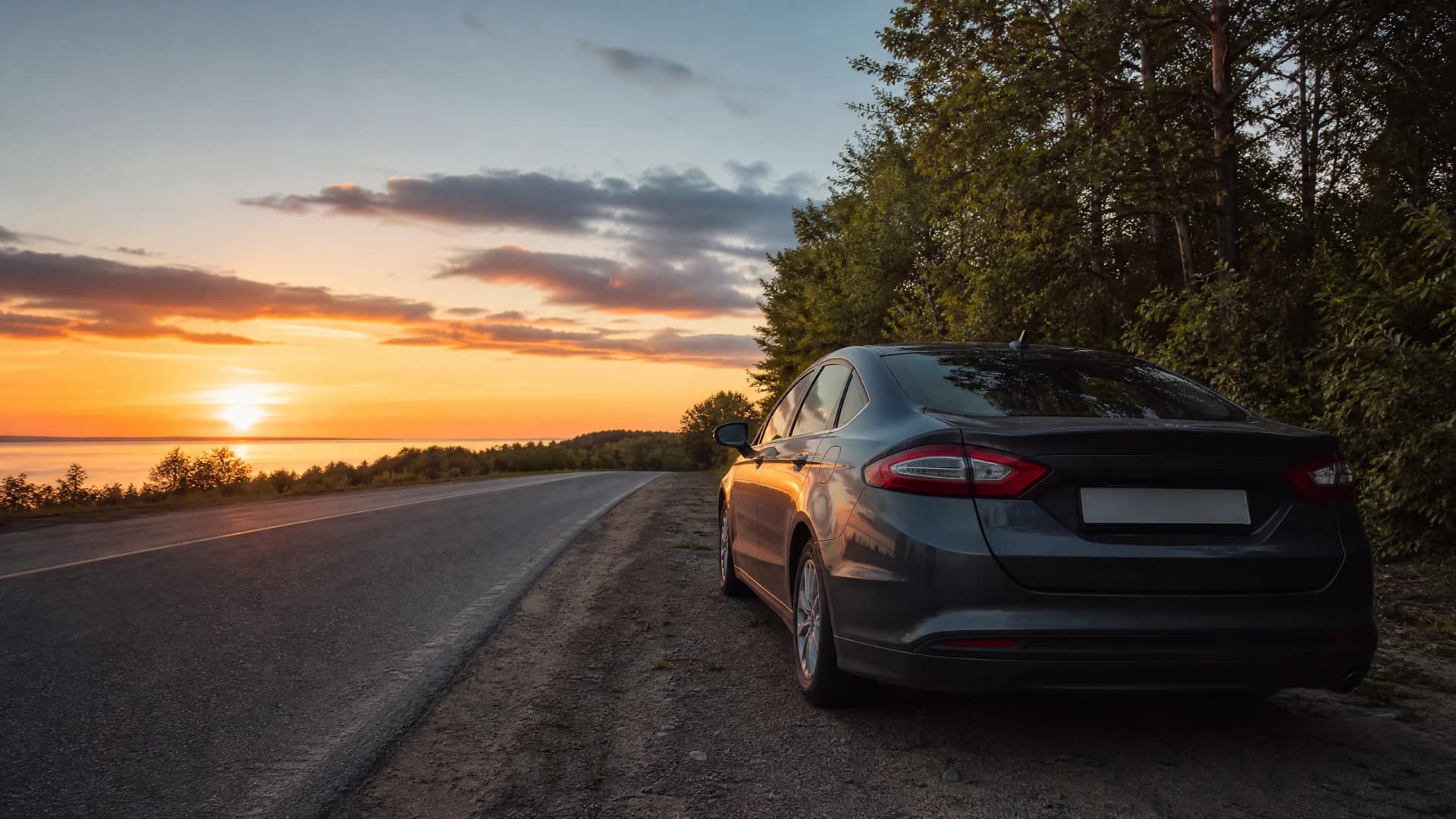
The multi-car discount applies to your total policy premium after both vehicles are rated individually. If the second vehicle's base rate is high, the discount may not offset the increase.






When Separate Policies Cost Less Than One Combined Policy
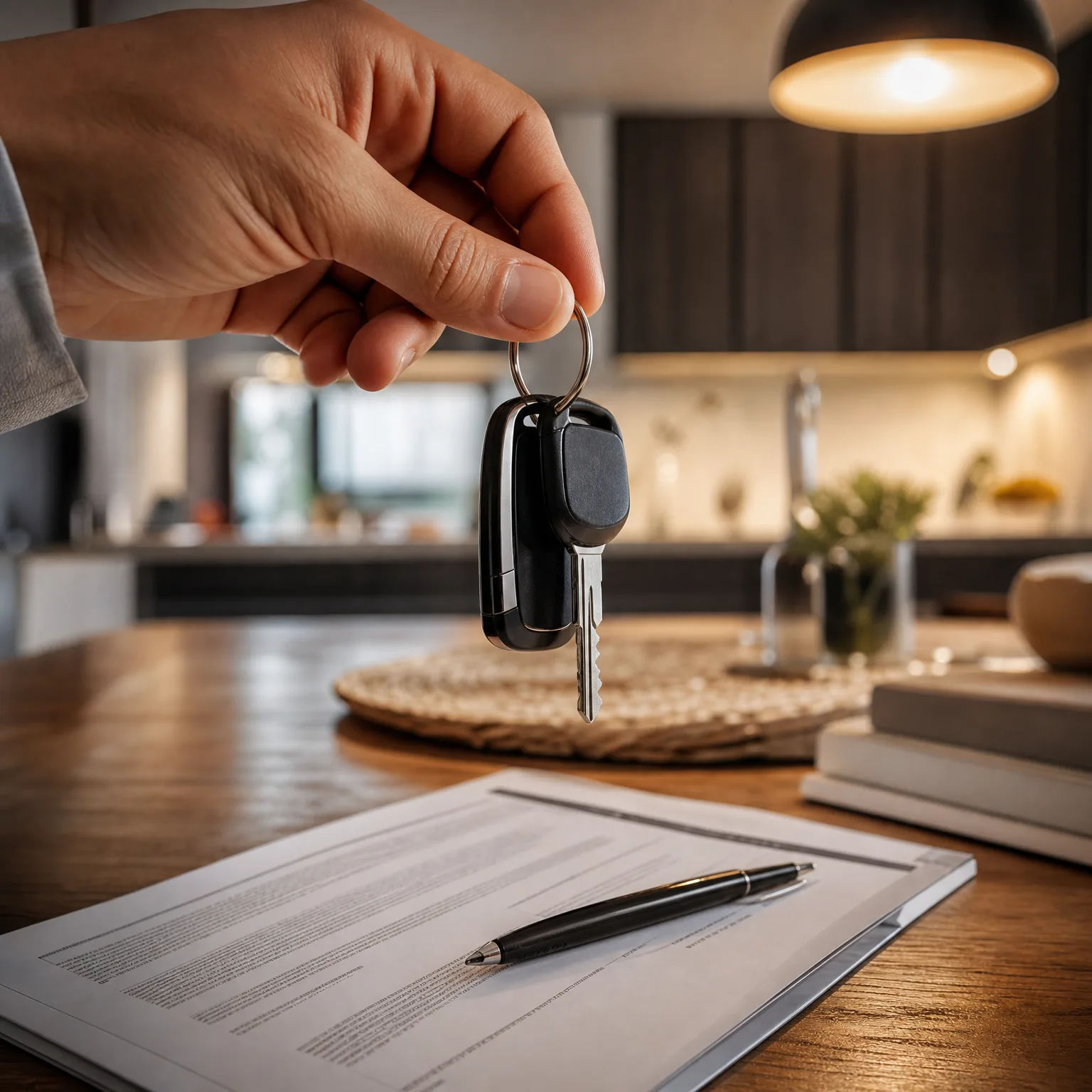
In some cases, insuring two vehicles on separate policies costs less than combining them on one policy with a multi-car discount. This happens most often when the two vehicles have very different risk profiles: a new sedan and an older truck, a car driven daily and a classic car driven rarely, or a vehicle assigned to a young driver and one assigned to an experienced driver.
Carriers that price high-risk and low-risk vehicles on the same policy often raise the low-risk vehicle's rate to account for the combined exposure. Splitting the vehicles onto separate policies lets each vehicle be rated independently without cross-subsidizing the other. You lose the multi-car discount, but you may gain a lower combined total if the base-rate separation is significant.
Before splitting policies, compare the combined cost of two separate policies against the combined cost of one multi-vehicle policy with the discount applied. Some carriers offer competitive multi-car pricing; others do not. The only way to know is to request quotes both ways and compare the total annual cost.
$61–$120/mo
National Auto Premium Range
The national average auto insurance premium ranges from approximately $61 to $120 per month for a single vehicle with standard liability and comprehensive coverage. Adding a second vehicle typically raises the household's total premium, but the per-vehicle average depends on how the carrier structures multi-car base rates.
NAIC Auto Insurance Database, 2023

How to Structure Coverage Across Two Vehicles
Once you've identified the carrier that prices your two vehicles competitively, structure your coverage to match each vehicle's use and value. The first vehicle—typically the newer or higher-value car—carries full coverage: liability, collision, comprehensive, and uninsured motorist. The second vehicle's coverage depends on its value and how often it's driven.
If the second vehicle is older and driven less frequently, consider dropping collision and comprehensive and carrying only liability and uninsured motorist. This lowers the per-vehicle cost without leaving you underinsured. If the second vehicle is financed or leased, the lender requires full coverage, and you cannot drop collision or comprehensive until the loan is paid off.
Compare Carriers That Price Multiple Vehicles Competitively
The best car insurance for a two-car household is the carrier that prices both vehicles at competitive base rates and applies a meaningful multi-car discount to the combined total. That carrier varies by state, by the vehicles you're insuring, and by the drivers assigned to each car. Generic advice about which carrier offers the best multi-car discount does not account for how that carrier prices your specific household.
Request quotes from carriers that write multi-vehicle policies in your state. Provide accurate information about both vehicles: year, make, model, annual mileage, garaging address, and the primary driver for each. Compare the total annual cost after the multi-car discount is applied, not the discount percentage alone. The carrier with the lowest combined cost is the best fit for your household, regardless of how they structure the discount.
What to Compare When You Add a Second Vehicle
First, compare the combined base premium before the discount is applied. Request quotes from at least three carriers and ask for the per-vehicle breakdown. Some carriers price both vehicles at similar rates; others price the second vehicle significantly higher than the first. The base-rate structure matters more than the discount percentage.
Second, verify that both vehicles qualify for the same-policy discount. Most carriers require every vehicle to be garaged at the same address and titled to a household member listed on the policy. A car titled to someone outside your household, or garaged at a different address, may not count toward the multi-car discount even if it's listed on your policy. Confirm the garaging and titling requirements with each carrier before assuming the discount applies.
Get Your Free Quote
Get My Multi-Car Insurance QuoteFrequently Asked Questions
Does the multi-car discount apply to both vehicles equally?
No. The multi-car discount applies to your total policy premium after both vehicles are rated individually. Each vehicle is priced based on its own attributes, then the discount reduces the combined cost. The discount percentage is the same for the whole policy, but each vehicle's base rate determines how much you actually save.
Can I insure two cars on separate policies and still save money?
Yes, in some cases. If the two vehicles have very different risk profiles, insuring them on separate policies may cost less than combining them on one policy with a multi-car discount. Compare the total annual cost of two separate policies against one combined policy to determine which structure costs less for your household.
What happens if I add a second car mid-term to my existing policy?
Your carrier re-rates your entire policy when you add a second vehicle mid-term. The first vehicle's rate may increase, the second vehicle is priced based on its own attributes, and the multi-car discount is applied to the new combined total. You'll receive a revised premium statement reflecting the updated cost for the remainder of your policy term.
Do both cars need to be garaged at the same address to qualify for the multi-car discount?
Most carriers require both vehicles to be garaged at the same address and titled to household members listed on the policy. A car garaged at a different address or titled to someone outside your household may not qualify for the same-policy discount, even if it's listed on your policy. Verify garaging and titling requirements with your carrier before assuming the discount applies.
Which carriers offer the best multi-car discounts?
The carrier with the best multi-car discount for your household depends on how they price your specific vehicles and drivers. State Farm, Geico, Progressive, Allstate, and Nationwide all write multi-vehicle policies, but their base rates and discount structures vary by state and risk profile. Compare total annual cost after the discount is applied, not the discount percentage alone.